How to Choose the Right Preschool in Kothanur for Your Child?
Choosing a preschool is one of the first big decisions parents make in their child’s educational journey. It is the place where children step out of their comfort zone, start interacting with others, develop early social skills, and build the foundation for lifelong learning. Naturally, parents want to ensure they select a school that is safe, nurturing, and development-focused.
If you are exploring options in Kothanur, this guide will help you understand what truly matters when selecting a preschool and how to identify an environment where your child will thrive.
Why Preschool Selection Matters?
Early childhood is a period of rapid brain development. The environment children are exposed to during these years influences their emotional growth, communication skills, curiosity, independence, and confidence. The best preschool in Kothanur does not simply teach alphabets and numbers, it nurtures thinking, creativity, discipline, and social behavior.
The right preschool creates a supportive space where children learn through exploration, hands-on activities, and guided interaction rather than pressure or rote learning. Montessori-inspired environments, for example, focus on self-directed activity and hands-on learning that allows children to grow at their own pace.
1. Look for a Child-Centered Learning Approach
The first thing to check is the school’s educational philosophy. Does the school focus only on academics, or does it emphasize holistic development?
A child-centered preschool encourages:
- Hands-on learning and exploration
- Creativity through art, music, and play
- Social interaction and emotional development
- Independence and problem-solving skills
In Montessori environments, learning materials are designed so children can explore concepts independently, building concentration, responsibility, and confidence.
When children are allowed to learn naturally rather than being rushed, they develop a genuine love for learning that lasts for years.
2. Evaluate Safety and Infrastructure
Safety should always be a top priority. When visiting a preschool, observe:
- Child-proof classrooms and furniture
- Secure entry and exit points
- CCTV surveillance and monitoring
- Clean classrooms and sanitized materials
- Safe outdoor play areas
A safe and hygienic environment helps children feel comfortable, enabling them to focus on learning and interaction. Clean, well-organized classrooms also support better concentration and engagement.
3. Check Teacher Qualifications and Interaction Style
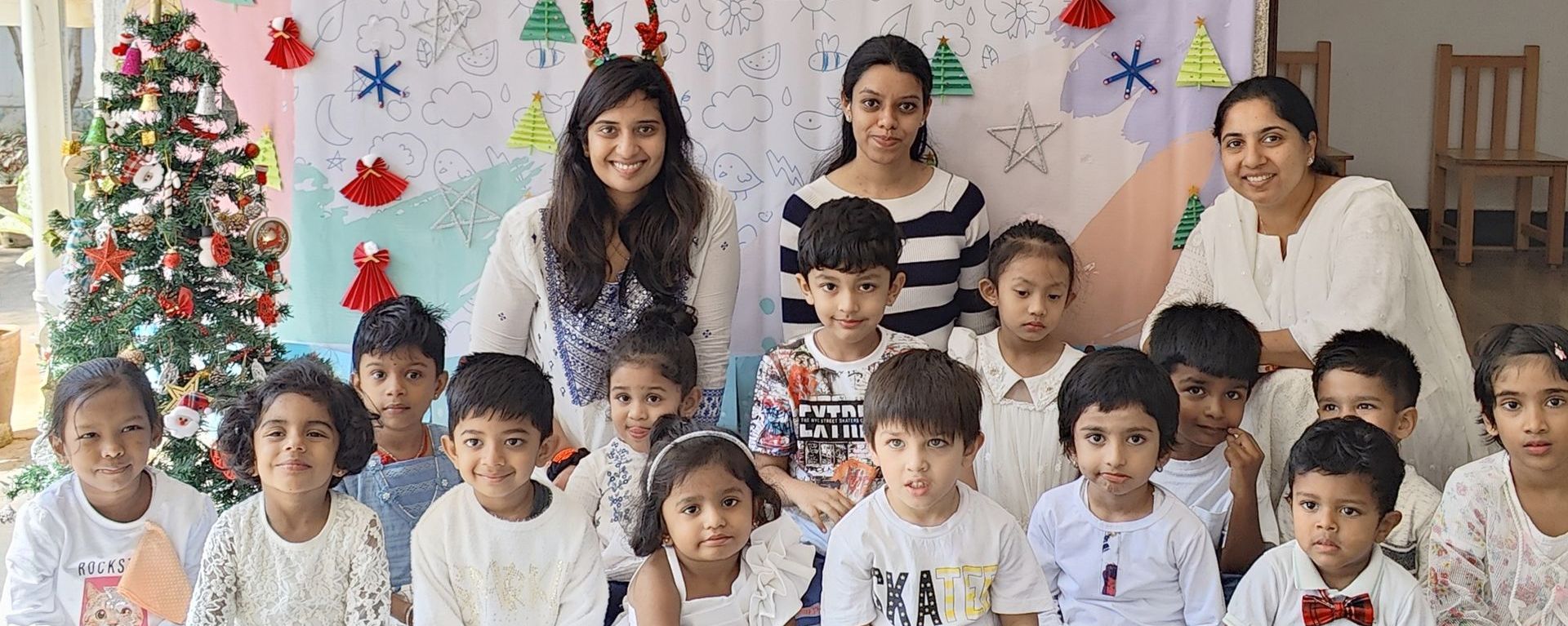
Teachers play a major role in shaping a child’s early experiences. While visiting a preschool, observe how teachers interact with children.
Good educators:
- Speak gently and respectfully
- Encourage curiosity
- Offer guidance rather than strict instruction
- Understand each child’s learning pace
Well-trained early childhood educators know how to balance independence and support, allowing children to develop self-confidence and emotional security.
4. Assess Classroom Environment and Learning Materials
A well-designed preschool environment is calm, organized, and inviting. Look for:
- Child-height shelves and accessible materials
- Structured learning corners
- Montessori materials that teach language, math, and sensory skills
- Adequate space for movement and exploration
An organized classroom helps children focus better and build independence because they can easily choose and return learning materials on their own.
5. Consider Student-Teacher Ratio
The student-teacher ratio determines how much individual attention your child will receive. Smaller groups allow teachers to observe each child’s development closely and provide personalized guidance when needed.
However, balanced mixed-age classrooms can also be beneficial, as younger children learn from older peers while older children develop leadership skills.
6. Look for Holistic Development Activities
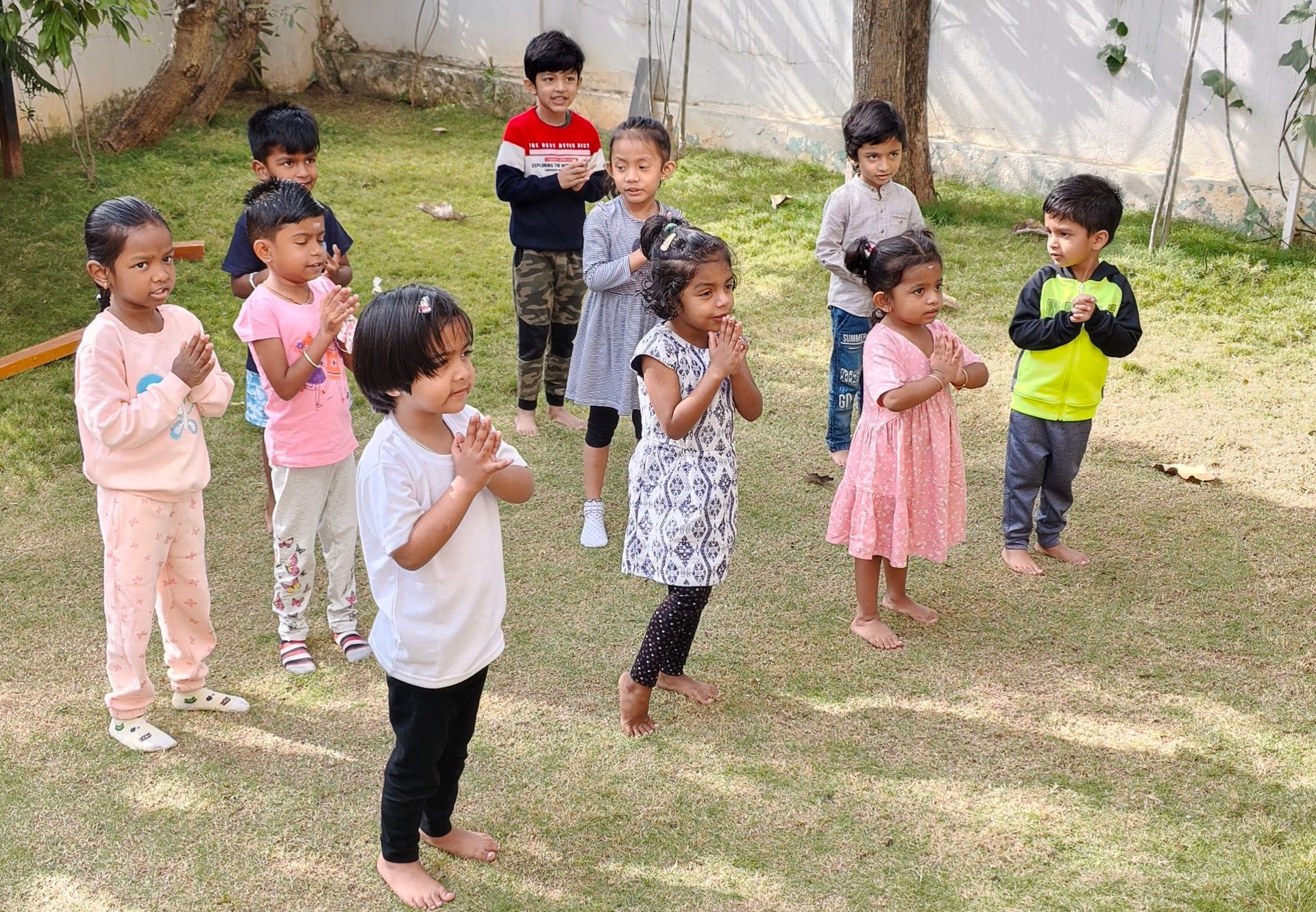
Preschool education should not be limited to classroom learning. Extracurricular activities such as art, music, dance, storytelling, and outdoor play help develop:
- Creativity
- Physical coordination
- Social skills
- Emotional expression
Experiential learning activities, including nature exploration or field visits, further enhance curiosity and real-world understanding, making learning enjoyable and meaningful.
7. Evaluate Parent Communication and Involvement
Strong parent-school communication is essential during early childhood education. A good preschool keeps parents informed through:
- Regular updates and progress reports
- Parent-teacher meetings
- Activity photos or communication apps
- Open channels for feedback
When parents and teachers work together, children receive consistent support both at home and at school.
8. Location and Convenience Matter
Daily travel should not become stressful for either parents or children. Choosing a preschool close to home helps:
- Reduce travel fatigue
- Maintain consistent attendance
- Save time for parents
A conveniently located school also makes it easier for parents to participate in events, meetings, and activities.
9. Observe the Happiness Factor
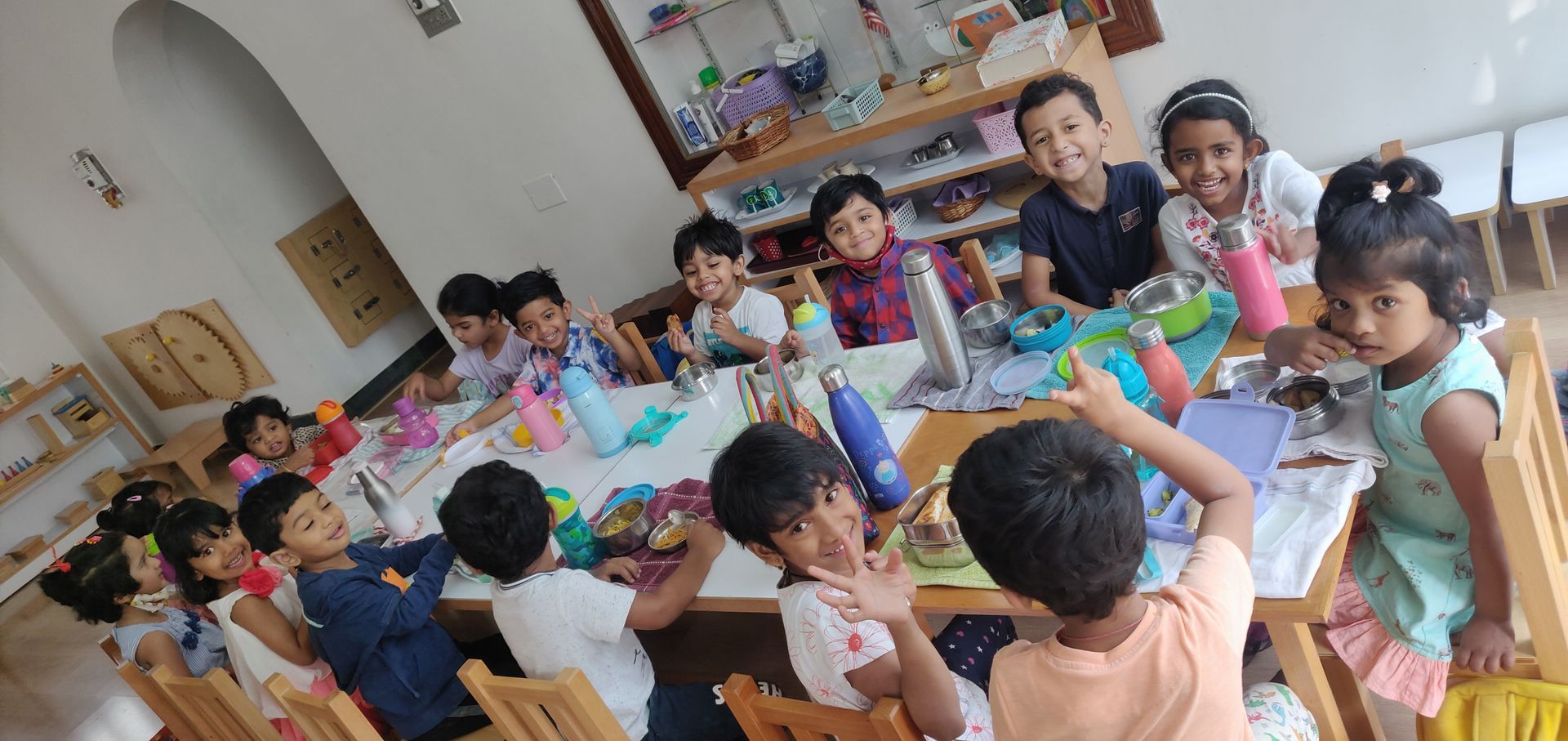
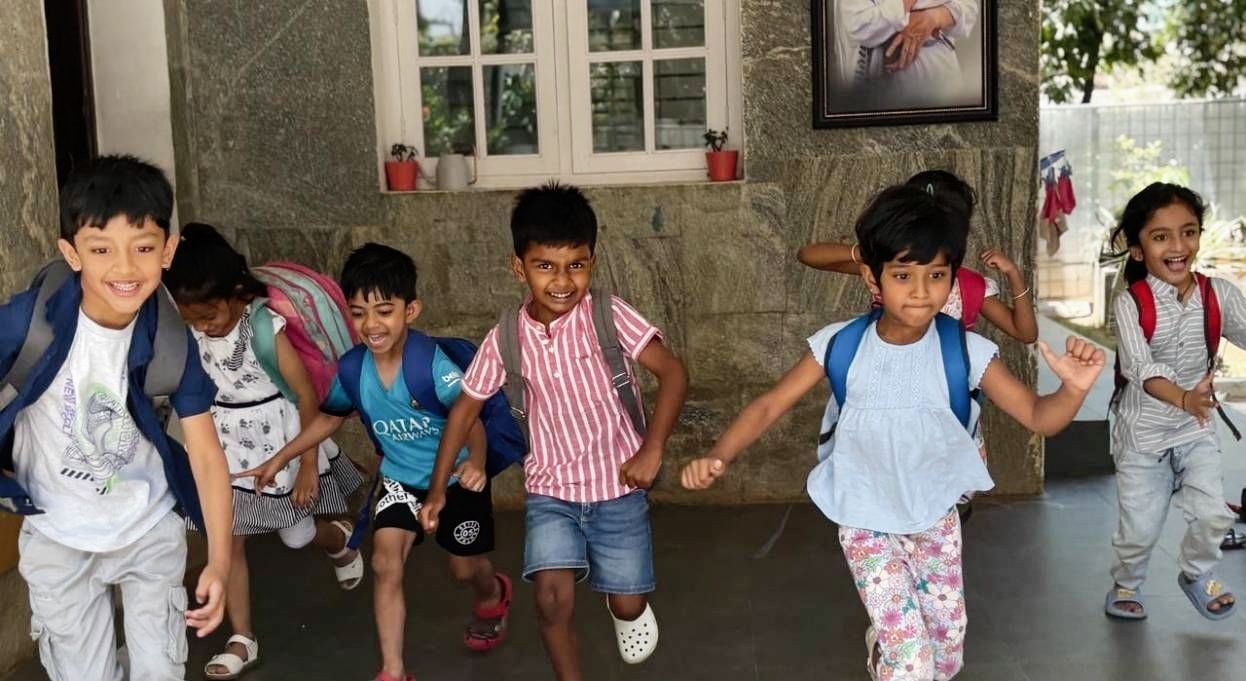
Sometimes the most powerful indicator of a good preschool is simple: happy children.
During your visit, observe:
- Are children engaged in activities?
- Do they look comfortable and confident?
- Are they interacting positively with teachers and peers?
When children feel emotionally secure, learning happens naturally. A warm, welcoming environment often tells you more than brochures or advertisements.
10. Why Montessori-Based Preschools Stand Out
Montessori-based preschools are increasingly preferred by parents because they emphasize independence, self-motivation, and hands-on learning. Instead of memorization, children learn through exploration, practical life activities, and problem-solving tasks.
This approach helps children:
- Develop focus and discipline
- Build strong foundational skills
- Gain confidence in decision-making
- Cultivate curiosity and creativity
Such early experiences shape not only academic growth but also personality development.
How Kriya Global Montessori Supports Early Childhood Development?
When parents search for nurturing early-learning environments, Kriya Global Montessori stands out as a thoughtfully designed preschool option in Kothanur. The school offers a nature-friendly campus, experienced educators, child-safe infrastructure, and programs designed for children aged approximately 1.5 to 6 years, ensuring development at every early milestone.
Its Montessori-based approach focuses on independence, creativity, experiential learning, and holistic development, helping children transition confidently into primary education.
For parents seeking the best PreSchool in Kothanur, selecting an environment that combines safety, authentic Montessori learning, and holistic growth opportunities can make a meaningful difference in a child’s early years.
Conclusion
Choosing a preschool is not about selecting the most popular name—it is about finding a place where your child feels safe, inspired, and happy every day. When evaluating options, focus on learning philosophy, teacher quality, safety, environment, communication, and overall emotional comfort.
Take time to visit campuses, interact with teachers, and observe classroom activities. Trust your instincts as a parent—if the environment feels warm, welcoming, and child-focused, you are likely making the right choice.
The right preschool will not only prepare your child academically but also nurture confidence, independence, creativity, and joy in learning—qualities that last a lifetime.
Disclaimer: The information provided in this article is for general informational purposes only and is not intended as professional or educational advice. Parents should conduct their own research and consult with educators or child development experts before making decisions regarding preschool selection.