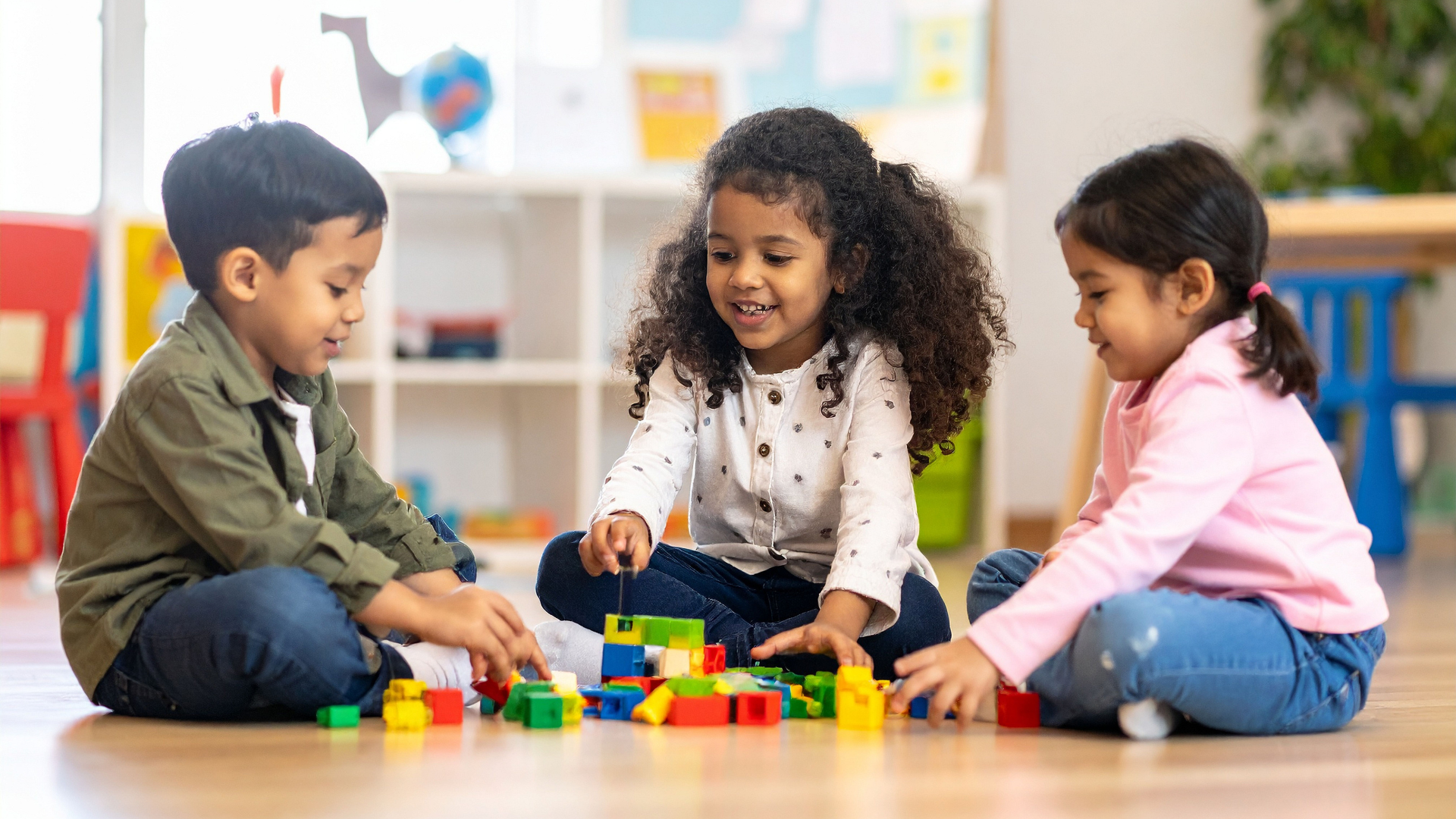
How to handle separation anxiety when your child starts school for the first time
The first day of school is a huge milestone, not just for children, but for parents too. One moment your little one is happily playing at home, and the next, they’re clutching your hand tightly at the school gate with teary eyes. For many families, this emotional phase is completely normal. Separation anxiety is a natural response when children step into a new environment away from their comfort zone.
The good news? With patience, consistency, and the right support, your child will slowly begin to feel safe, secure, and even excited about school.
Understanding Separation Anxiety
Separation anxiety happens when children feel distressed after being separated from their parents or caregivers. It’s especially common during the early school years because children are entering unfamiliar surroundings with new people, routines, and expectations.
Some common signs include:
- Crying during drop-offs
- Clinging to parents
- Refusing to enter the classroom
- Complaining of stomach aches or headaches
- Fear of being left alone
- Trouble sleeping before school days
While it can feel heartbreaking, remember this phase usually settles over time as children build trust in their new environment.
Why Starting School Feels So Big for Children
Imagine being placed in a completely new environment where everything looks unfamiliar — new faces, sounds, rules, and routines. That’s exactly what your child experiences during the first few weeks of school.
Children thrive on familiarity and predictability. When their daily routine suddenly changes, they may feel overwhelmed. Younger children, especially toddlers and preschoolers, may not fully understand that parents always come back after drop-off.
This uncertainty can trigger fear and emotional meltdowns.
Start Preparing Before School Begins
One of the best ways to reduce anxiety is to prepare your child gradually before the school year starts.
Talk About School Positively
Avoid making school sound scary or overly strict. Instead, describe it as a fun and safe place where they’ll:
- Make friends
- Play games
- Learn new things
- Sing songs and do activities
Keep the conversations light and encouraging.
Visit the School Together
If possible, visit the campus beforehand. Let your child explore classrooms, play areas, and meet teachers. Familiarity reduces fear dramatically.
When children know what to expect, they feel more confident walking into school on the first day.
Parents looking for a supportive and child-friendly environment often explore options like nursery school in Kothanur because calm, nurturing spaces help children transition more comfortably into school life.
Create a Goodbye Routine
Children feel secure when routines stay predictable. A simple goodbye ritual can make mornings smoother. For example:
- One hug
- One kiss
- A cheerful “See you after school!”
- A little wave at the door
Keep it short and calm. Long emotional goodbyes can unintentionally increase anxiety because children sense hesitation from parents.
Stay Calm Even If Your Child Cries
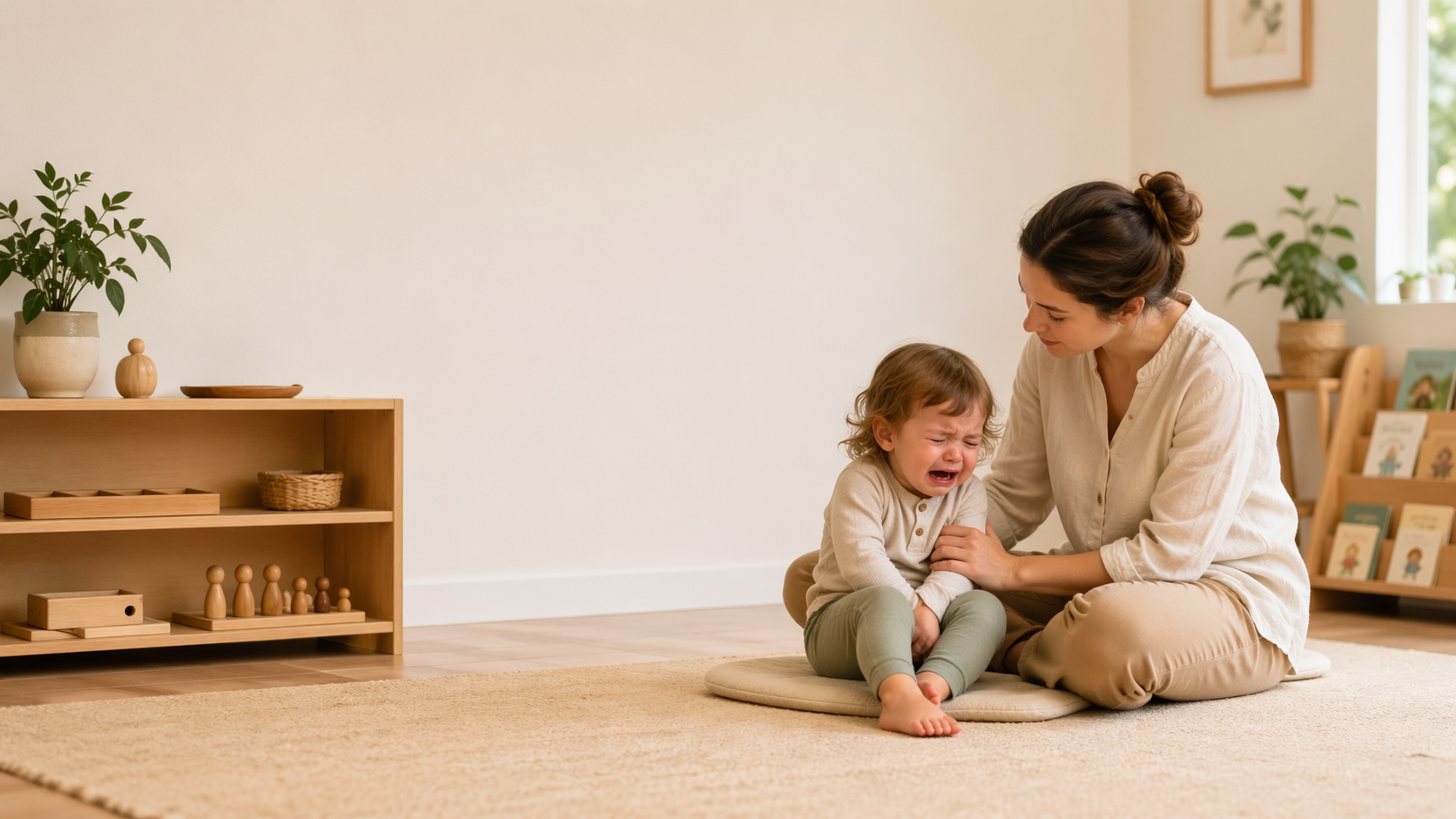
This is one of the hardest parts for parents. When your child cries, your natural instinct may be to stay longer or carry them back home. But children often look to parents for emotional cues. If you appear anxious, guilty, or uncertain, they may believe school truly is unsafe.
Instead:
- Stay confident
- Speak gently
- Reassure them briefly
- Leave calmly after goodbye
Most children stop crying within minutes after parents leave.
Avoid Sneaking Away
Some parents quietly disappear while their child is distracted, hoping to avoid tears. While it may work temporarily, it can damage trust.
Children may later feel frightened wondering, “Will my parent disappear again?” Always say goodbye clearly, even if it causes a few tears initially. Honest and consistent departures help children feel secure over time.
Build Emotional Security at Home
Children handle transitions better when they feel emotionally connected at home. Try these simple bonding activities:
- Read bedtime stories together
- Spend uninterrupted playtime daily
- Encourage cuddles and conversations
- Listen patiently to their feelings
Even 15–20 minutes of focused attention daily can help children feel emotionally reassured.
Validate Their Feelings
Avoid saying things like:
- “Big kids don’t cry.”
- “There’s nothing to be scared of.”
- “Stop being dramatic.”
Instead, acknowledge their emotions gently:
- “I know school feels new right now.”
- “It’s okay to miss me.”
- “You’re learning something brave.”
When children feel understood, they calm down faster.
Practice Short Separations
If your child has never spent time away from you before, start small.
You can practice by:
- Leaving them with grandparents for short periods
- Scheduling playdates
- Attending activity classes
- Encouraging independent play
Gradual separation helps children understand that parents always return.
Keep Morning Routines Relaxed
Chaotic mornings increase stress for everyone.
Try to:
- Wake up early
- Prepare clothes and bags the night before
- Serve a simple breakfast
- Avoid rushing or shouting
A calm start creates emotional stability for children.
Don’t Compare Your Child to Others
Every child adapts differently. Some children happily run into class on Day 1, while others need weeks to adjust. Both are completely normal.
Avoid comparisons like:
- “See how nicely that child went!”
- “Your cousin never cried.”
Comparisons may create shame instead of confidence.
Partner With Teachers
Teachers are experienced in handling first-day emotions. Communicate openly with them about your child’s fears, personality, and comfort needs.
Many early childhood educators use gentle transition techniques such as:
- Distracting children with activities
- Offering comfort objects
- Pairing children with buddies
- Creating welcoming routines
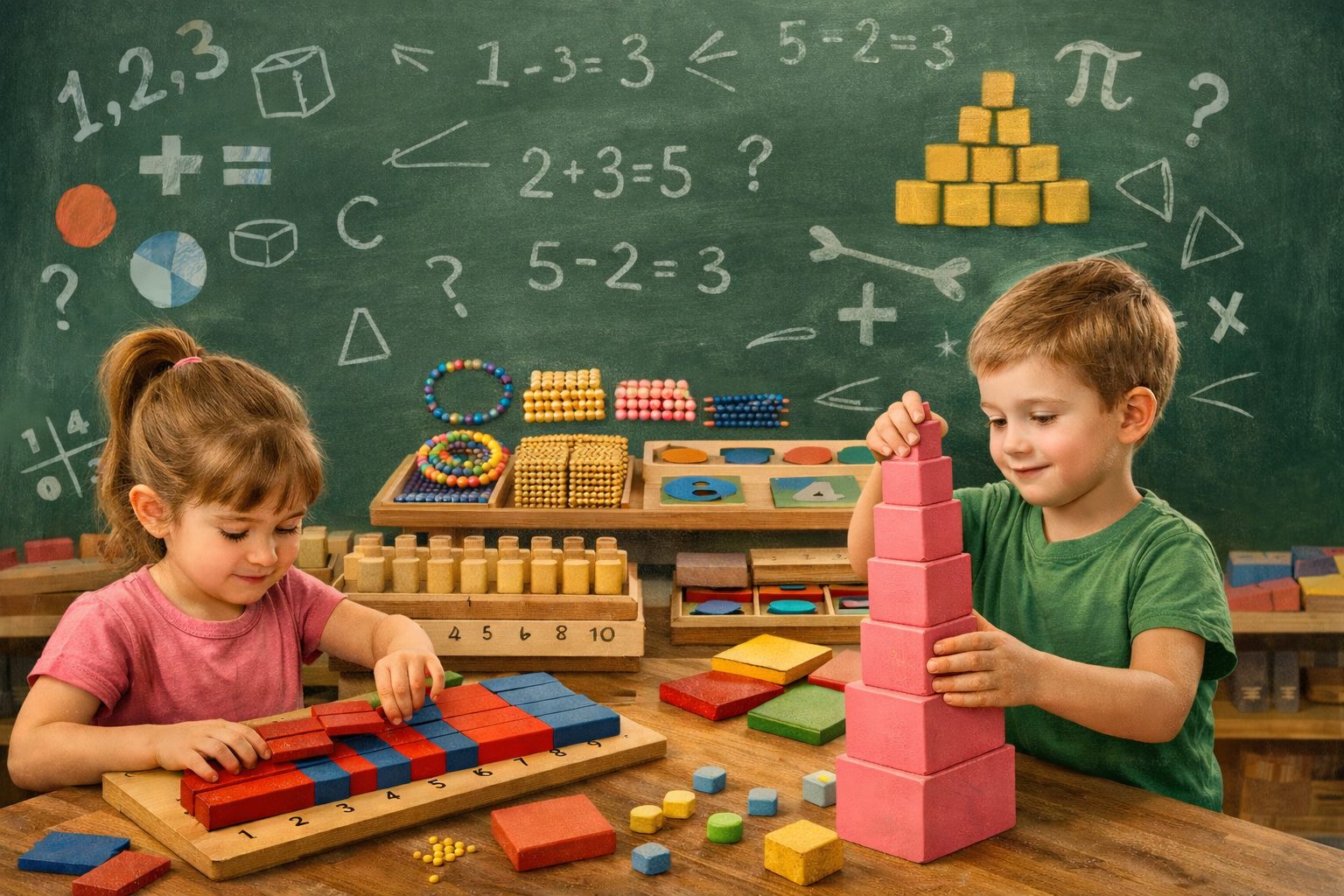
Schools that focus on child-centered learning often make the adjustment phase smoother for young learners. Kriya Global Montessori School emphasize independence, emotional security, and hands-on learning environments that help children feel more confident and comfortable during their early school journey.
Celebrate Small Wins
Progress may happen slowly, but every little improvement matters.
Celebrate moments like:
- Entering class without crying
- Talking about a school friend
- Participating in activities
- Completing a full school day calmly
Positive reinforcement builds confidence.
Simple encouragement works wonders:
- “You were so brave today!”
- “I’m proud of you for trying.”
Avoid Reward Bribes Every Day
Occasional treats are fine, but avoid creating a habit where children expect rewards just for attending school.
Instead of:
- “I’ll buy chocolate if you stop crying.”
Try:
- “You handled school so well today.”
The goal is to help children develop internal confidence rather than dependence on rewards.
Understand That Regression Is Normal
Sometimes children who adjusted well may suddenly start crying again after holidays, sickness, or weekends.
This doesn’t mean failure.
Children often need reassurance during transitions. Stay patient and continue following consistent routines.
When Should Parents Be Concerned?
Most separation anxiety improves within a few weeks. However, you may consider professional guidance if:
- Anxiety continues intensely for months
- Your child refuses school completely
- Physical symptoms become severe
- Sleep and eating habits are heavily affected
- Anxiety interferes with daily functioning
In such cases, speaking with a pediatrician or child psychologist can help identify deeper concerns.
Tips for Parents to Handle Their Own Emotions
Sometimes parents struggle even more than children during this transition.
It’s normal to feel:
- Guilty
- Emotional
- Worried
- Lonely after drop-offs
But remember — helping your child become independent is one of the greatest gifts you can give them.
Try to:
- Trust the process
- Stay connected with teachers
- Focus on long-term growth
- Give yourself grace during this emotional phase
Your calmness becomes your child’s emotional anchor.
The Transition Gets Better
The first few days may feel emotional and exhausting, but children are incredibly adaptable. Slowly, school becomes familiar. Teachers become trusted adults. Classmates become friends.
One day, your child may walk into school confidently without looking back, and you’ll realize how far both of you have come.
Separation anxiety is not a sign that something is wrong. It simply means your child shares a strong bond with you. With love, consistency, and reassurance, they’ll gradually learn that school is a safe and exciting place to grow, explore, and thrive.