How Montessori Supports Social and Emotional Development?
When we think about early childhood education, our minds often go straight to the academic milestones—the first time a child recognizes their name in print, or the moment they successfully count to twenty. These are wonderful achievements, but they are only one piece of the puzzle. At the heart of a truly fulfilling life lies something deeper: the ability to understand ourselves and relate to others.
In the early years of a child’s life, their emotional landscape is just as vast as their intellectual one. This is why the Montessori philosophy is so profound. It isn’t just a method for teaching math or reading; it is a framework for living. It focuses on the "whole child," ensuring that as they grow in knowledge, they also grow in kindness, resilience, and emotional intelligence.
At Kriya Global Montessori, we see this transformation every single day. We witness children moving from parallel play to deep collaboration, from frustration to self-regulation, and from shy observers to confident leaders. If you are exploring options for your child, understanding how this environment supports the "heart" of the child is just as important as understanding how it supports the "mind."
The "Whole Child" Philosophy
The Montessori approach is built on the foundation of educating the "whole child." This means that physical, social, emotional, and cognitive development are treated as inseparable parts of a single journey. In many educational settings, social-emotional learning (SEL) might be a 20-minute lesson once a week. In a Montessori environment, however, it is the very air the children breathe.
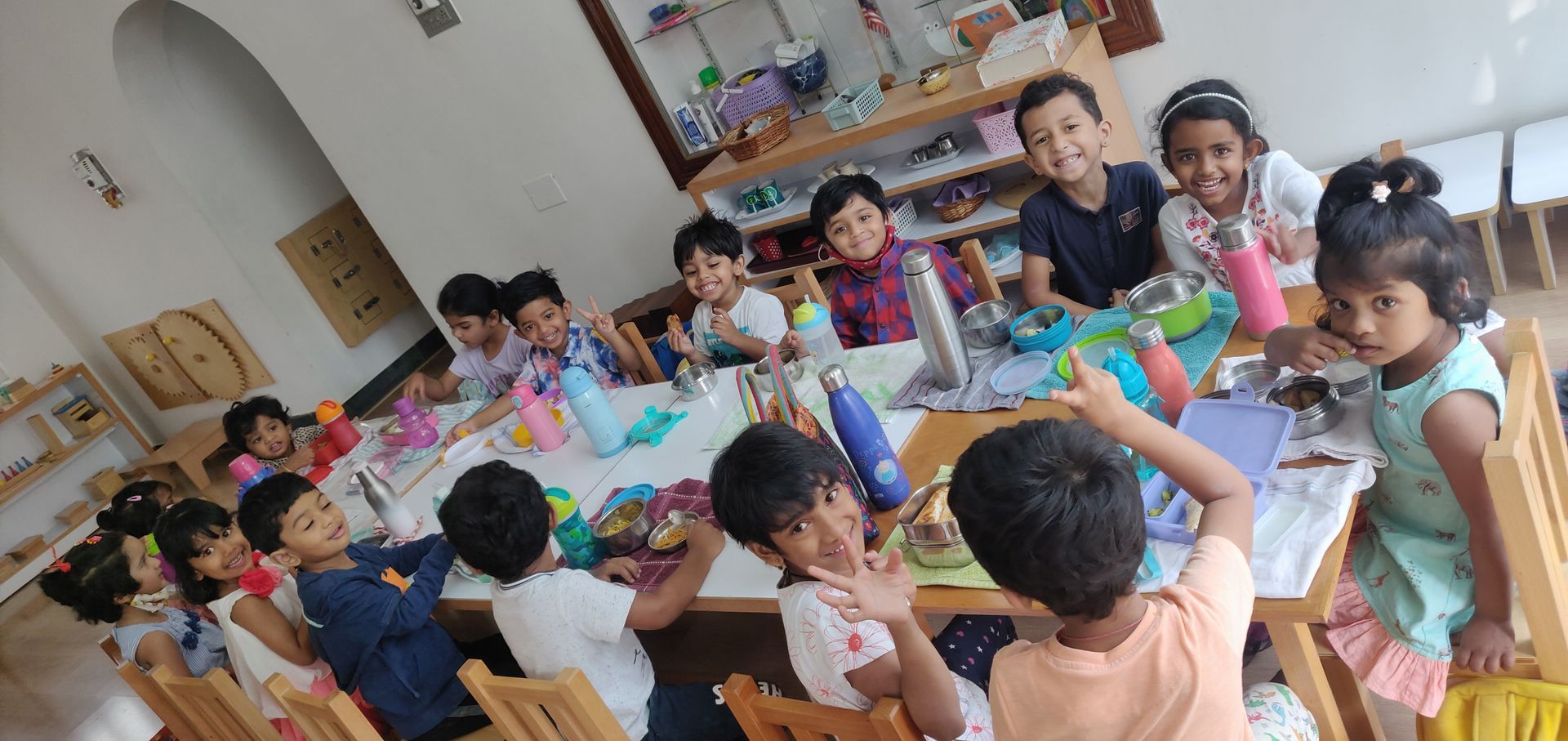
From the moment a child walks through the doors of the best montessori in Kothanur, they are entering a "Prepared Environment." This environment is meticulously designed to foster independence, which is the first step toward emotional confidence. When a child learns to pour their own water, put away their own mat, or choose their own activity, they are learning that they are capable and significant. This builds a sturdy sense of self-worth that serves as the bedrock for all future social interactions. When a child feels capable, they feel secure; and when a child feels secure, they are much more likely to be kind to those around them.
The Magic of the Mixed-Age Classroom
One of the most distinctive features of this educational style is the mixed-age grouping, typically spanning a three-year age range (such as ages 3 to 6). This isn't just a logistical choice; it is a profound social tool that creates a miniature society within the classroom.
In a standard classroom, children are surrounded by peers of the same age, which often leads to constant competition and comparison. In a Montessori classroom, the social dynamic shifts from competition to cooperation.
- The Younger Children: They look up to the older students with a sense of wonder. They observe the sophisticated "work" the older kids are doing and feel naturally inspired to grow. They see older children modeling focus, kindness, and grace, which gives them a clear roadmap for their own behavior.
- The Older Children: They step into natural leadership roles. When a five-year-old helps a three-year-old zip up their jacket or explains how to use a specific set of blocks, they aren't just practicing a skill, they are practicing empathy and patience.
This mentorship cycle creates a community where everyone has a place, and everyone has something to contribute. It mirrors the real world much more closely than a single-age classroom ever could, teaching children that everyone is at a different stage of their journey and that helping others is a natural part of life.
Grace and Courtesy: The Curriculum of Kindness
Have you ever wondered how Montessori classrooms remain so peaceful? It’s not a coincidence; it’s a specific part of the curriculum called "Grace and Courtesy."
While other schools might have a list of rules posted on the wall, Montessori offers lived lessons. These lessons are short, dramatized demonstrations of how to handle social situations. A teacher (often called a "Guide") might show the children:
- How to politely interrupt someone who is busy.
- How to introduce yourself to a new friend.
- How to carry a tray quietly so as not to disturb others.
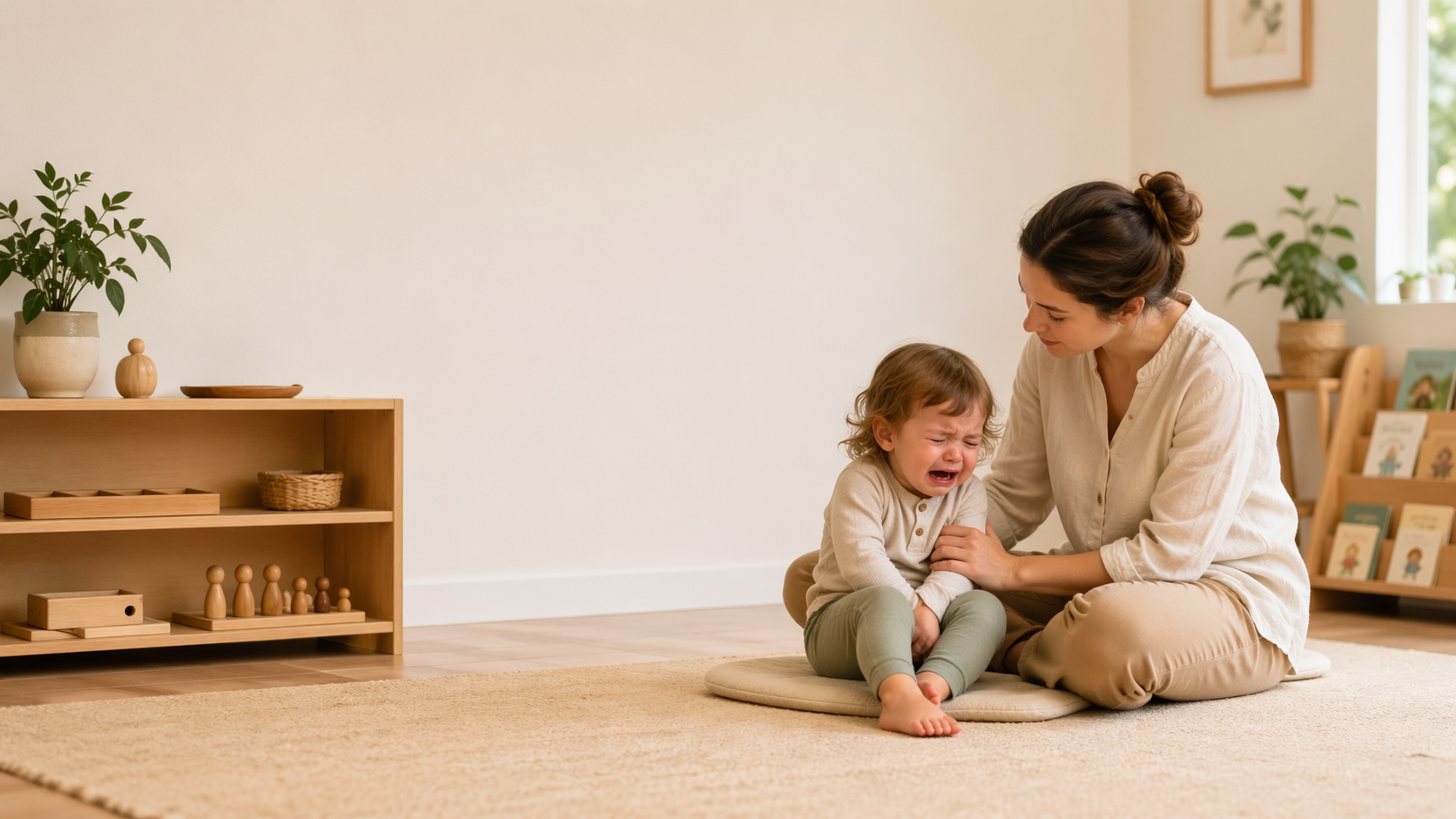
- How to offer a tissue to a friend who is crying.
By giving children the literal vocabulary and physical movements for these interactions, we remove the anxiety of "not knowing what to do." Social anxiety often stems from a lack of tools; when a child knows how to navigate a social hurdle, their emotional stability remains intact, and they feel empowered to be a positive member of the group.
Freedom Within Limits and Self-Regulation
One of the biggest misconceptions about this method is that it is a "free-for-all." In reality, it is a delicate balance of freedom and responsibility. Children are free to choose their work, but they must respect the environment and the rights of others.
This "Freedom within Limits" is a powerful teacher of self-regulation. If a child wants to use a specific material but another student is already working with it, the child must wait. They must learn to manage that small spike of frustration and find something else to do in the meantime. Because the choices are their own, children are less likely to experience the "power struggle" meltdowns often seen in more rigid settings. They feel respected as individuals, which in turn makes them more willing to respect the boundaries of the community.
The Peace Table: Navigating Conflict
In any social setting, conflict is inevitable, and in a Montessori environment, conflict is seen as a "teachable moment" rather than a problem to be punished.
Many classrooms, including those at Kriya Global, utilize a "Peace Table" or a "Peace Rose." When two children have a disagreement, they are encouraged to go to the Peace Table. The child holding the rose speaks their truth: "I felt sad when you took my block." Then, they pass the rose, and the other child listens and responds.
The Guide doesn’t step in to "fix" the problem or play judge. Instead, they facilitate the conversation until the children reach a resolution themselves. This teaches children that they have the agency to solve their own problems and that communication is the bridge to peace. These are emotional intelligence skills that many adults are still trying to master!
Emotional Resilience Through Purposeful Work
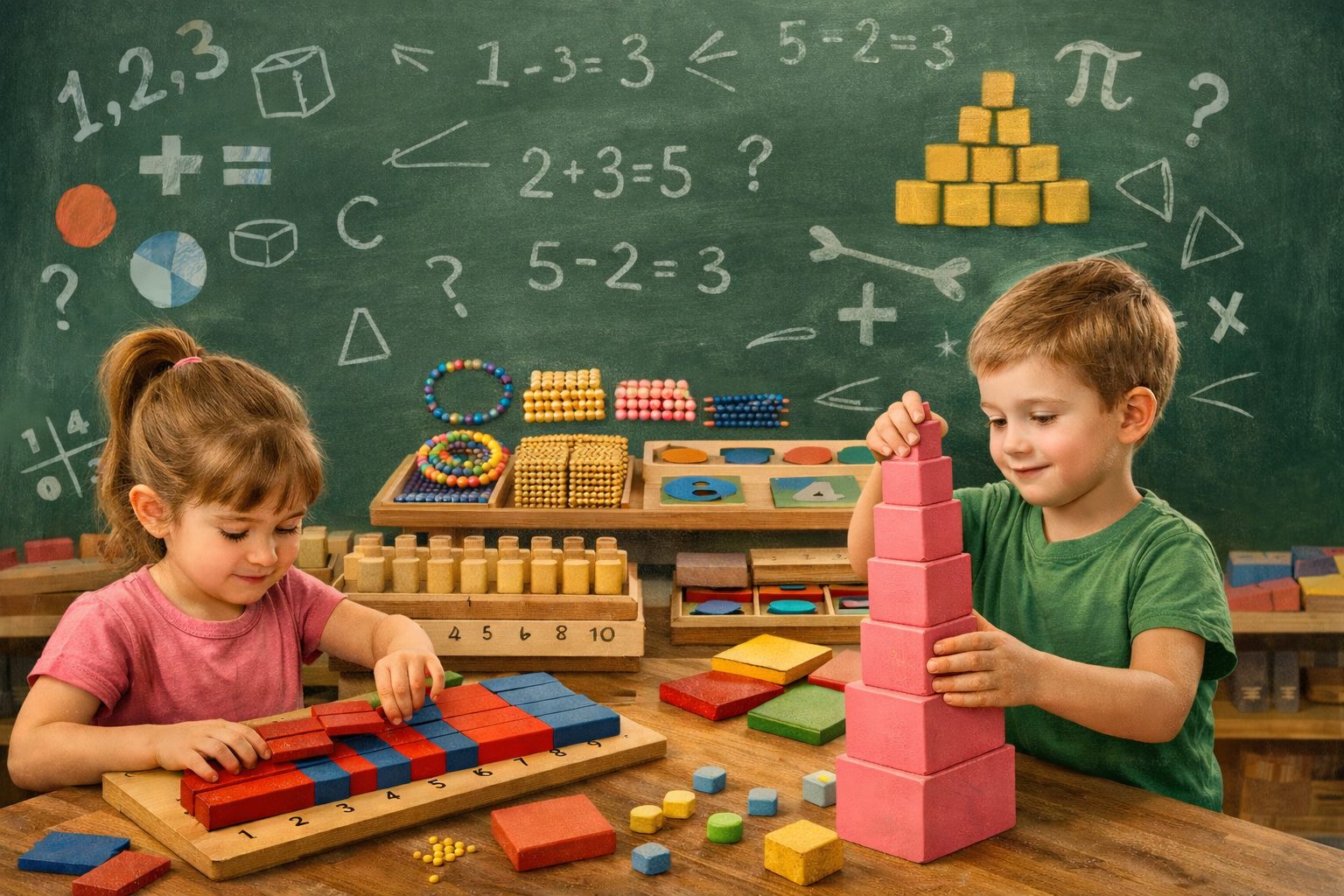
There is a deep connection between a child’s hands and their heart. When a child engages in deep, focused work—whether it’s scrubbing a table, sewing a button, or solving complex math with beads, they enter a state of "flow."
This concentration leads to a sense of inner peace and satisfaction. A child who has successfully completed a challenging task doesn't need a gold star or a "good job" from an adult. They feel an internal sense of accomplishment. This builds emotional resilience; they learn that they can tackle hard things, fail, try again, and eventually succeed. By removing external rewards like stickers or grades, we help children develop an internal compass of satisfaction.
Why Choosing the Right Environment Matters
For parents in Bangalore, finding a space that honors this delicate balance of heart and mind is crucial. At Kriya Global Montessori, we have dedicated ourselves to creating a community where your child is seen, heard, and valued. We believe that every child is a unique individual with an internal blueprint for growth. Our role is simply to provide the nourishment and the right environment for that blueprint to unfold.
Beyond the preschool years, we also recognize that families need reliable, high-quality care that aligns with these values throughout the day. If you are looking for the best day care in Kothanur, you will find that our approach extends into our extended care hours. We don't view daycare as "babysitting." Instead, it is a continuation of the child’s social journey, a time for free play, outdoor exploration, and the deepening of friendships in a safe, loving environment where the same principles of respect and kindness are upheld.
The Role of the Guide
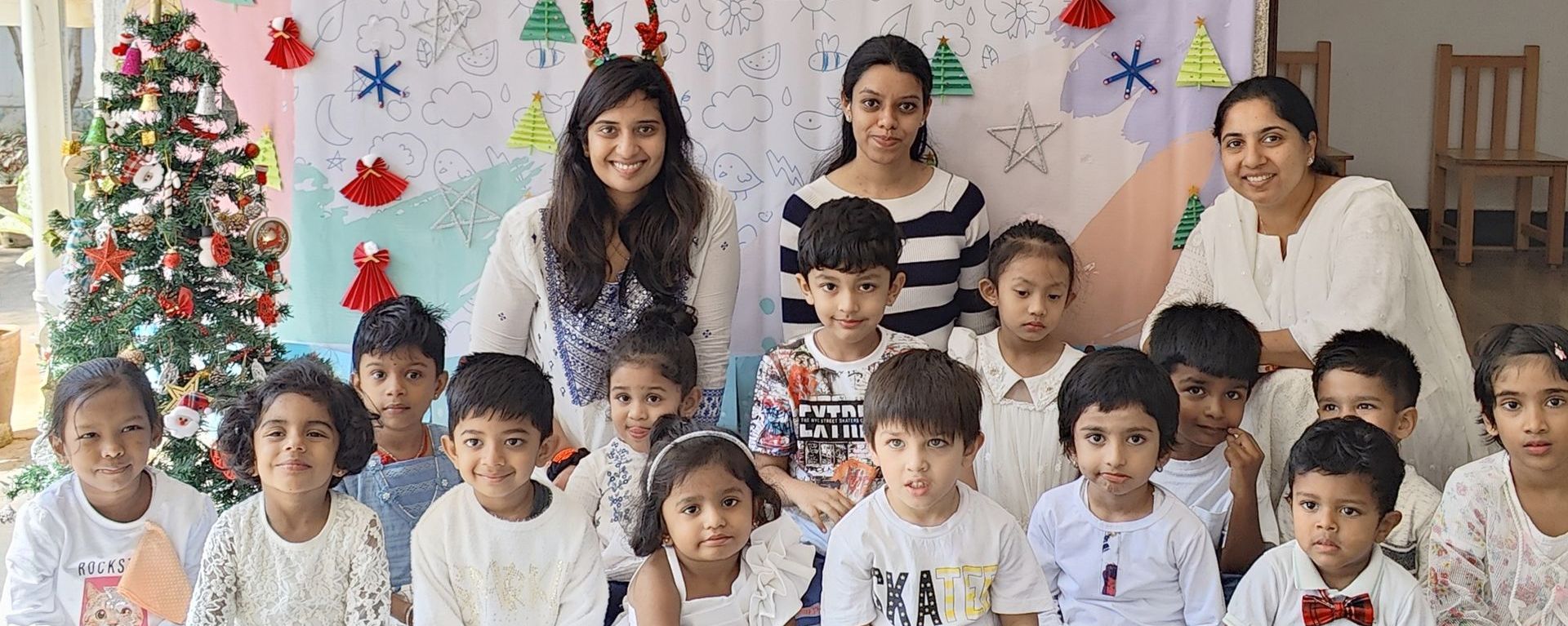
In our classrooms, the teacher acts as an observer and a facilitator. To support social and emotional development, the Guide must be a keen observer of human nature. They watch for the "sensitive periods", those windows of time when a child is particularly interested in social interaction, language, or order.
The Guide models the behavior they wish to see. They speak in a quiet, respectful tone. They handle materials with care. They treat each child with the same dignity they would afford an adult. Because children are natural imitators, this environment of mutual respect becomes the child’s blueprint for how to treat the world. When a Guide kneels to speak to a child at eye level, they are sending a powerful message: You are important, and I am listening.
Social Development as a Lifelong Skill
The social and emotional skills cultivated in this environment don't end when the child leaves the classroom. Research has shown that students from these backgrounds often possess higher levels of executive function, social competence, and a stronger sense of community than their peers in traditional settings.
When we prioritize social-emotional health, we are preparing children for a world that is constantly changing. We are giving them the tools to be:
- Collaborators who can work in diverse teams.
- Communicators who can express their needs without aggression.
- Thinkers who can empathize with perspectives different from their own.
- Leaders who lead with kindness rather than authority.
Final Thoughts
Choosing the right start for your child is one of the most significant decisions you will make. At Kriya Global Montessori, we invite you to look beyond the curriculum and see the community we are building. We are more than just a school; we are a place where children learn the most important lesson of all: how to be a good, compassionate human being.
By fostering independence, offering a curriculum of grace, and providing a safe space for conflict resolution, we ensure that every child who walks through our doors is equipped not just for the next grade, but for life.
If you’re ready to see this difference in action, come visit us. Witness the quiet hum of a classroom where children are at peace with themselves and one another. Let’s work together to nurture the next generation of emotionally intelligent leaders.