Understanding the Balance Between Freedom and Discipline in a Montessori Classroom
When parents first hear about Montessori education, one question often comes to mind: “If children are given so much freedom, how is discipline maintained?” It’s a valid question because, at first glance, freedom and discipline may seem like opposites. However, one of the most powerful aspects of the Montessori approach is how these two concepts work together to support a child’s growth and development.
In a Montessori classroom, children are encouraged to make choices, explore their interests, and learn at their own pace. At the same time, they are guided to respect rules, care for their environment, and consider the needs of others. This unique balance helps children develop independence, responsibility, and self-discipline that can benefit them throughout their lives. Many parents searching for the best kindergarten in Kothanur are increasingly drawn to Montessori education because of its unique approach to fostering independence and responsibility.
Let’s take a closer look at how Montessori classrooms successfully balance freedom and discipline and why this approach is so effective.
What Does Freedom Mean in Montessori?
The word “freedom” in Montessori education is often misunderstood. It does not mean children can do whatever they want whenever they want. Instead, freedom refers to the opportunity for children to make meaningful choices within a carefully prepared environment.
Children are free to:
- Choose activities that interest them
- Work at their own pace
- Move around the classroom respectfully
- Repeat activities as often as needed
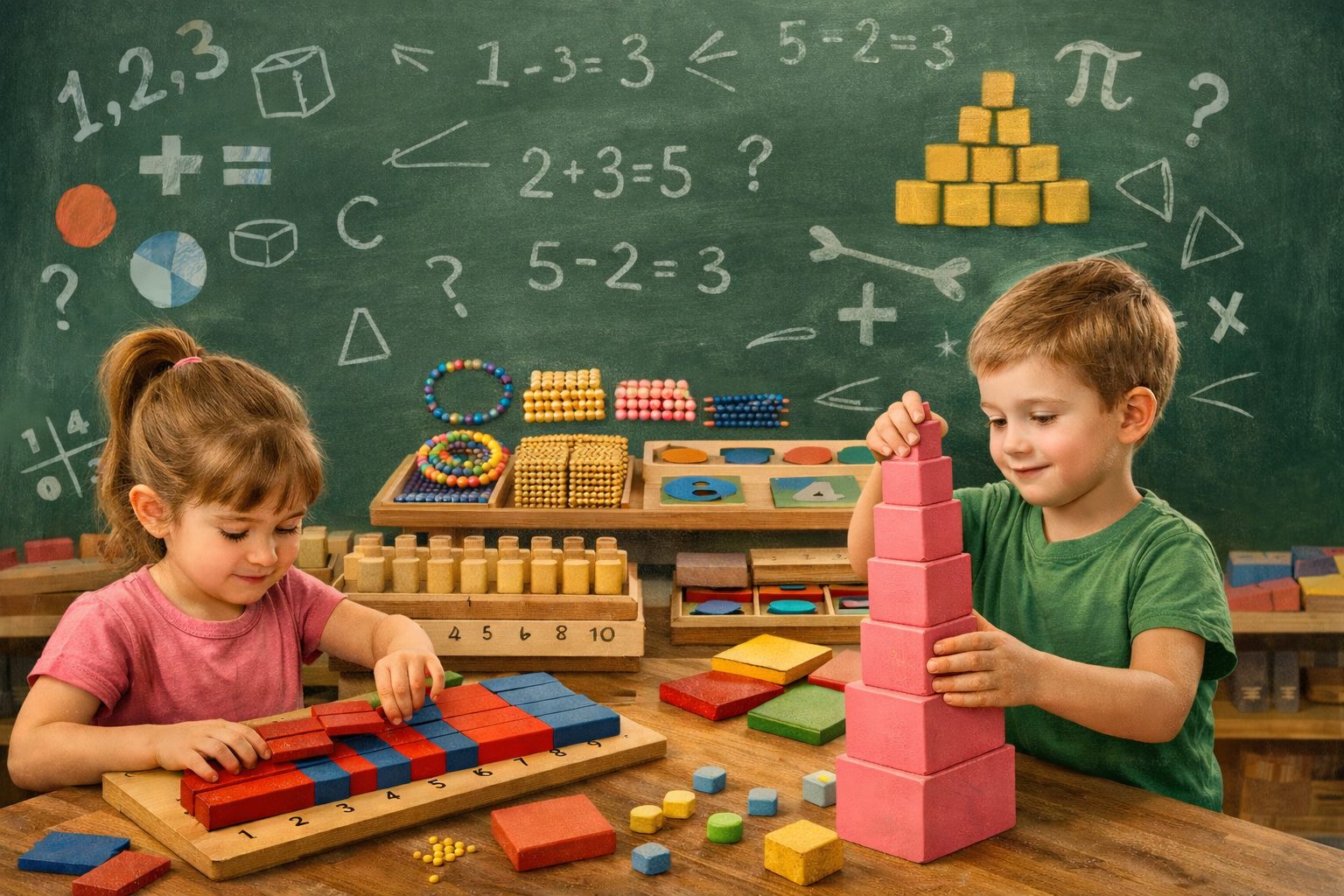
- Explore concepts through hands-on learning
This freedom allows children to become active participants in their own learning journey. Rather than following instructions all day, they learn how to make decisions, solve problems, and take ownership of their education.
Maria Montessori, the founder of Montessori education, believed that children learn best when they are allowed to follow their natural curiosity while working within clear boundaries. This concept is often referred to as “freedom within limits.”
Understanding Discipline in a Montessori Classroom
Discipline in Montessori is very different from traditional ideas of discipline. Instead of relying on rewards, punishments, or constant adult control, Montessori focuses on helping children develop self-discipline.
Self-discipline means that children learn to:
- Control their impulses
- Respect others
- Follow routines
- Complete tasks responsibly
- Make thoughtful choices
Rather than being forced to behave appropriately, children gradually learn why certain behaviors are important. Over time, discipline comes from within rather than from external pressure. This approach helps children build lifelong skills that extend beyond the classroom.
The Principle of Freedom Within Limits
One of the core foundations of Montessori education is the idea of freedom within limits. Children are given choices, but those choices exist within a framework that supports learning, safety, and respect.
For example:
- A child may choose any activity that has been presented to them.
- They may move freely around the room but cannot disturb others.
- They can work independently but must return materials to their proper place.
- They can express themselves while still respecting classroom expectations.
These boundaries create a structured environment where children feel safe and confident while still enjoying independence. Research and Montessori educators consistently emphasize that true freedom can only exist when accompanied by responsibility and respect for others.
How the Prepared Environment Supports Both Freedom and Discipline
A Montessori classroom is intentionally designed to encourage both independence and order. Every material has a specific place. Furniture is child-sized. Learning resources are accessible. Activities are arranged in a logical sequence.
This carefully prepared environment helps children understand expectations without constant reminders from adults. When children know where materials belong and how they should be used, they naturally develop habits of organization and responsibility. The classroom itself becomes a silent teacher, guiding children toward appropriate behavior.
As a result, children gain confidence in managing their own learning while also learning to care for their surroundings.
The Role of the Montessori Teacher
In a Montessori classroom, the teacher acts as a guide rather than a traditional instructor. Instead of directing every activity, the teacher:
- Observes each child carefully
- Introduces lessons when appropriate
- Provides support when needed
- Models respectful behavior
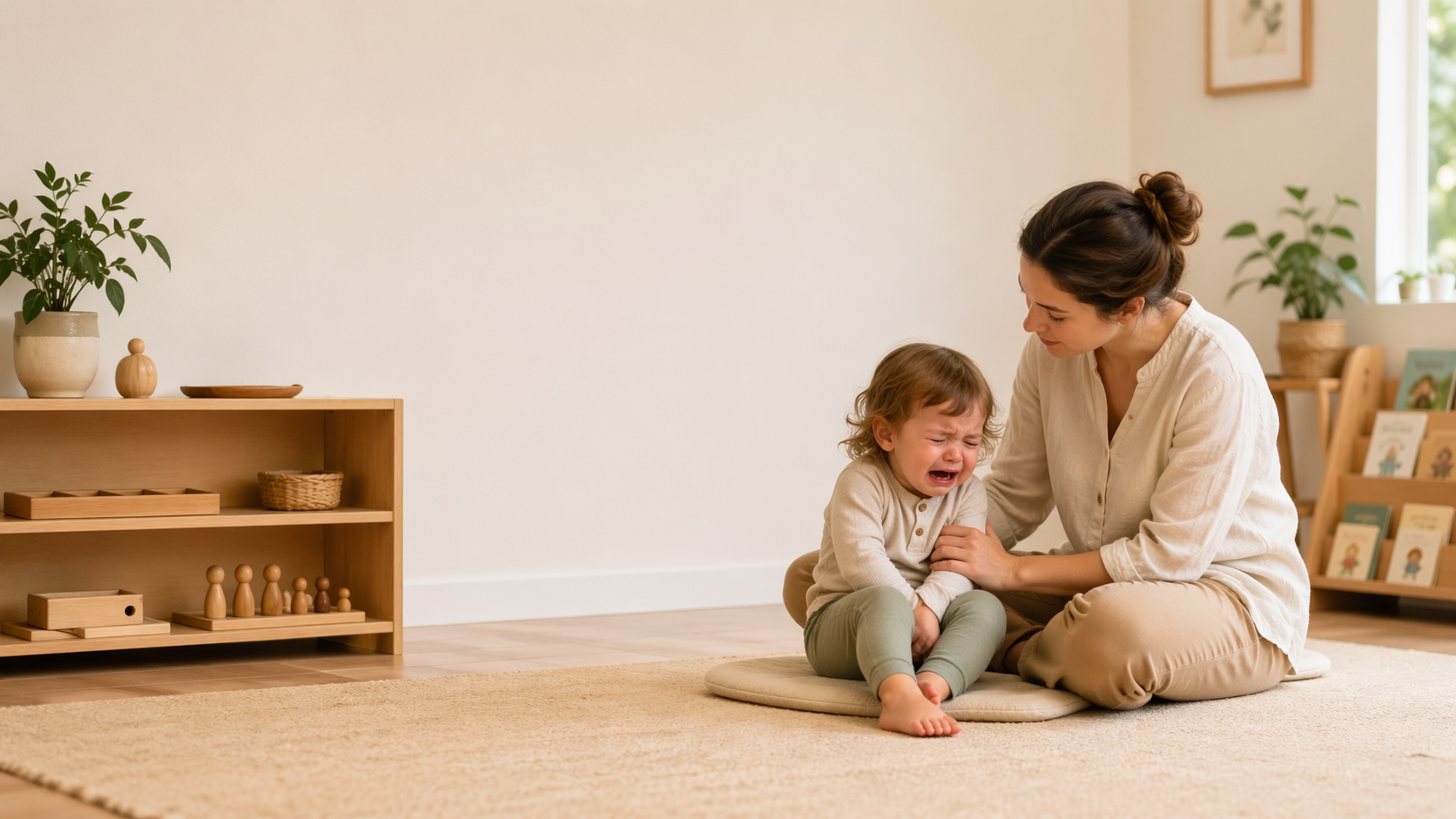
- Helps children solve conflicts
This approach allows children to develop independence while still receiving guidance. When challenges arise, Montessori teachers focus on helping children understand the consequences of their actions rather than simply correcting behavior. This encourages reflection, responsibility, and personal growth. The teacher’s role is not to control the child but to create conditions where self-discipline can develop naturally.
Why Choice Builds Responsibility
One reason Montessori classrooms are so effective is that children are regularly given opportunities to make choices.
When children choose their work:
- They become more engaged.
- They develop decision-making skills.
- They learn accountability.
- They gain confidence in their abilities.
With freedom comes responsibility. If a child selects an activity, they are expected to complete it appropriately and return materials when finished. Through these everyday experiences, children learn that their choices have consequences.
Over time, they begin making more thoughtful decisions because they understand that freedom and responsibility are connected.
Also Read: Why independent choice in the classroom leads to more confident children?
Natural Consequences Instead of Punishment
Traditional classrooms often rely on rewards and punishments to manage behavior. Montessori takes a different approach. Rather than using external consequences, Montessori educators often use natural and logical consequences.
For example:
- If water is spilled, the child helps clean it up.
- If materials are misused, the activity may be temporarily removed.
- If a child disturbs others, they may be guided toward more appropriate choices.
These responses help children understand the direct impact of their actions. Because the consequence is connected to the behavior, children learn valuable lessons without fear, shame, or embarrassment. This supports the development of internal motivation and self-control.
Encouraging Respect for Others
Freedom in Montessori is never about individual desires alone. Children also learn to consider the needs of those around them.
Classroom expectations often include:
- Speaking respectfully
- Waiting for turns
- Caring for shared materials
- Respecting personal space
- Helping others when appropriate
These practices create a strong sense of community. Children learn that their freedom ends where another person’s freedom begins. This understanding helps them develop empathy, cooperation, and social responsibility.
Benefits of Balancing Freedom and Discipline
When freedom and discipline are balanced effectively, children experience numerous benefits:
- Greater Independence: Children learn how to make decisions, solve problems, and manage their own learning.
- Stronger Self-Confidence: Success in independent work helps children believe in their abilities.
- Improved Focus: The freedom to choose meaningful work often leads to deeper concentration and engagement.
- Better Social Skills: Children learn to cooperate, communicate, and respect others.
- Lifelong Responsibility: By practicing decision-making and accountability daily, children develop habits that serve them well beyond the classroom.
These outcomes demonstrate why Montessori education has remained relevant and respected around the world for more than a century.
How Kriya Global Montessori School Embraces This Philosophy
At Kriya Global Montessori School, the balance between freedom and discipline is woven into every aspect of the learning experience. The school follows authentic Montessori principles that encourage children to explore independently while developing responsibility, respect, and self-control.
Through thoughtfully prepared environments, experienced Montessori educators, and child-centered learning practices, children are allowed to grow academically, socially, and emotionally. They learn to make choices confidently while understanding the importance of accountability and community.
Families seeking the best kindergarten in Kothanur often appreciate how Montessori education nurtures both independence and discipline, creating a strong foundation for lifelong learning.
For younger learners, the school's Montessori approach begins early, helping children develop confidence, concentration, and self-regulation from the start. Parents exploring a Nursery School in Kothanur can discover an environment where freedom and structure work together to support healthy development.
Final Thoughts
The Montessori approach beautifully demonstrates that freedom and discipline are not opposites—they are partners in a child’s development. When children are given meaningful choices within clear boundaries, they learn how to manage themselves, respect others, and take responsibility for their actions.
This balance creates confident, capable, and compassionate learners who are prepared not only for academic success but also for life. By fostering independence alongside accountability, Montessori classrooms help children develop the self-discipline and resilience needed to thrive in an ever-changing world.
The result is not simply well-behaved children, but self-motivated individuals who understand how to use their freedom wisely and responsibly.