Why independent choice in the classroom leads to more confident children?
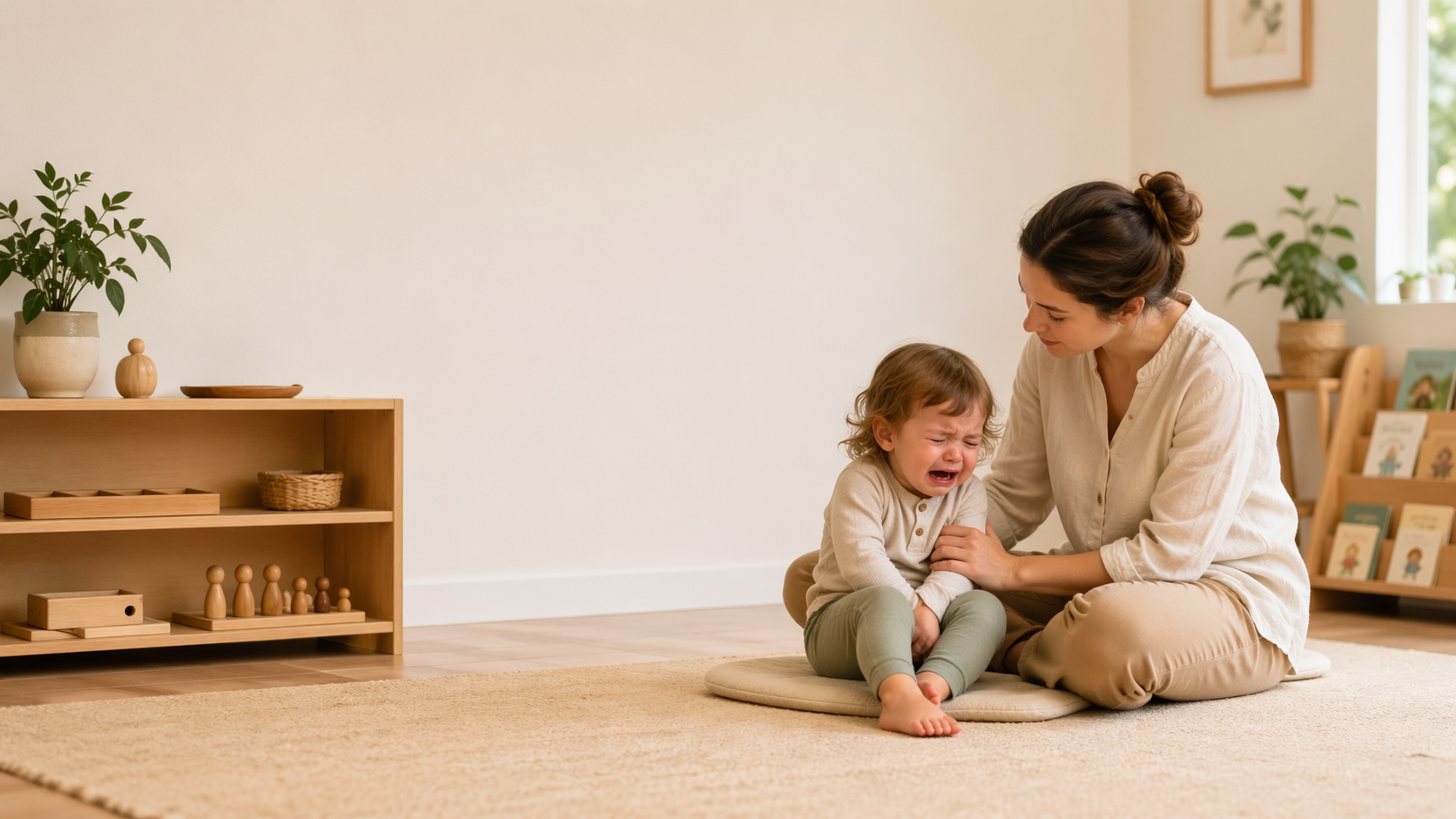
Have you ever watched a toddler proudly declare, “I do it myself!” while struggling to put on their shoes or pour a glass of water? As parents and educators, our first instinct is often to step in, help out, and speed up the process. We want to save them from frustration, and let’s be honest, we want to save time. But inside that tiny, frustrated declaration lies the very foundation of human confidence: the fundamental desire for autonomy.
When we look at early childhood education, the environment we place our children in plays a massive role in shaping how they view themselves and their capabilities. Traditionally, classrooms have been places of "command and control," where children are told what to do, when to do it, and exactly how to do it. But a beautiful, transformative shift happens when we flip the script.
When children are given independent choice in the classroom, something magical occurs. They transform from passive receivers of information into active, engaged, and highly confident architects of their own learning journey. In this detailed exploration, we will look at why choice is the secret ingredient to raising resilient children and how schools like Kriya Global Montessori are leading the way in this educational revolution.
The Psychology Behind Choice and Autonomy
To understand why choice builds confidence, we have to look at the "Self-Determination Theory" of psychology. This theory suggests that humans have three innate needs: competence, relatedness, and autonomy. For a child, autonomy, the feeling that they are the masters of their own actions, is the most fragile and the most important to nurture.
When adults make every decision for a child, from what color crayon they should use to which book they must read, the child subconsciously internalizes a limiting message: “I am not capable of deciding for myself, and my interests are secondary to the schedule.” Over time, this can lead to a "learned helplessness" where the child stops trying to innovate because they are waiting for instructions.
Conversely, when a child is offered choices within a structured environment, their brain registers a profound sense of trust. Choice triggers a sense of agency. When a child realizes, “My decisions matter, and my teachers trust me to make them,” their self-esteem naturally skyrockets. They aren't just learning how to count beads or identify colors; they are learning that they have the power to impact their own world.
How Independent Choice Manifests as Deep Confidence
So, how exactly does choosing an activity on a Tuesday morning translate into long-term confidence? There are several key pathways through which independent choice shapes a child’s character:
1. It Ignites Intrinsic Motivation
In a choice-based classroom, children aren't working for gold stars, stickers, or the teacher's approval. They are working because they chose the task. Whether it's counting beads, polishing a leaf, or building a complex tower, the motivation comes from within. When children are fueled by intrinsic curiosity rather than external rewards, they become confident learners who don't rely on constant praise to feel good about their achievements. They learn for the sake of learning, which is a trait of the most successful leaders and thinkers.
2. It Teaches the Value of Trial and Error
Confidence isn’t just about succeeding; it’s about knowing you can handle failure. When a child chooses their own work, they also take ownership of the challenges that come with it. If a block tower falls, or a math problem gets tricky, they don't feel like they are failing a teacher's test. Instead, they view it as a puzzle they chose to solve. This safe space to experiment fosters resilience, the absolute backbone of true confidence. They learn that a mistake is just a data point, not a reflection of their worth.
3. It Develops Executive Functioning Skills
"Executive function" is a buzzword in education, but it essentially means the ability to plan, focus, and multitask. When a child is given the freedom to choose their activities, they are practicing high-level cognitive skills. They have to decide: What do I want to do? What materials do I need? How long will this take? Where will I sit? Making these micro-decisions dozens of times a day strengthens the prefrontal cortex. A child who can plan their own morning of work is a child who grows up feeling capable of planning their own life.
4. It Encourages Self-Regulation and Pacing
Every child has a unique internal rhythm. Some days, a child might have the deep focus required to sit with a complex language material for an hour; other days, they might need movement-heavy activities to burn off energy. Independent choice allows children to listen to their minds and bodies. When children learn to manage their own time and energy, they feel in control of themselves, leading to a calm, grounded sense of self-assurance that carries over into their social lives and home environments.
The "Prepared Environment": Freedom Within Limits
Now, you might be thinking: "If kids can choose whatever they want, won't the classroom turn into absolute chaos?"
This is a common misconception! True independent choice in early education doesn't mean a "free-for-all." It means "Freedom within Limits." This concept is the cornerstone of the Montessori philosophy.
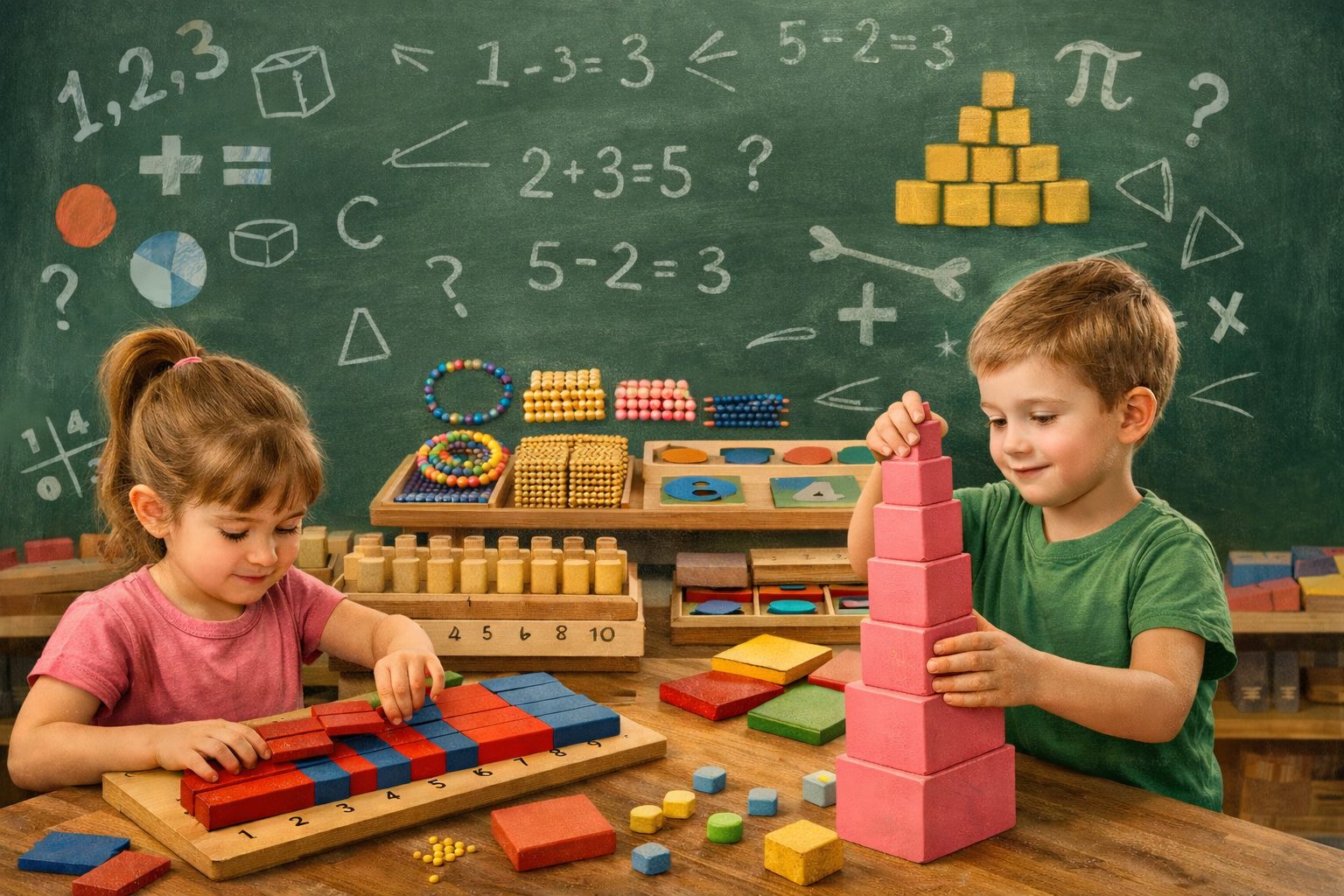
In a Montessori classroom, the environment is "prepared." This means every game, puzzle, and learning material on the low, accessible shelves has been meticulously curated by trained guides (teachers) for a specific developmental purpose. There is no "junk" or "filler." Therefore, a child is free to choose anything they want from the shelves, take it to a mat or table, and work with it for as long as they like, provided they treat the material and their peers with respect.
Because the choices are curated to be enriching and age-appropriate, the child feels total freedom, while the parents and teachers have total peace of mind knowing that authentic learning is happening.
Spotlighting Excellence: Kriya Global Montessori School
If you are looking for an educational environment that perfectly embodies this philosophy, look no further than Kriya Global Montessori. At Kriya, the belief that children are natural learners who thrive on independence is woven into the very fabric of their daily routines.
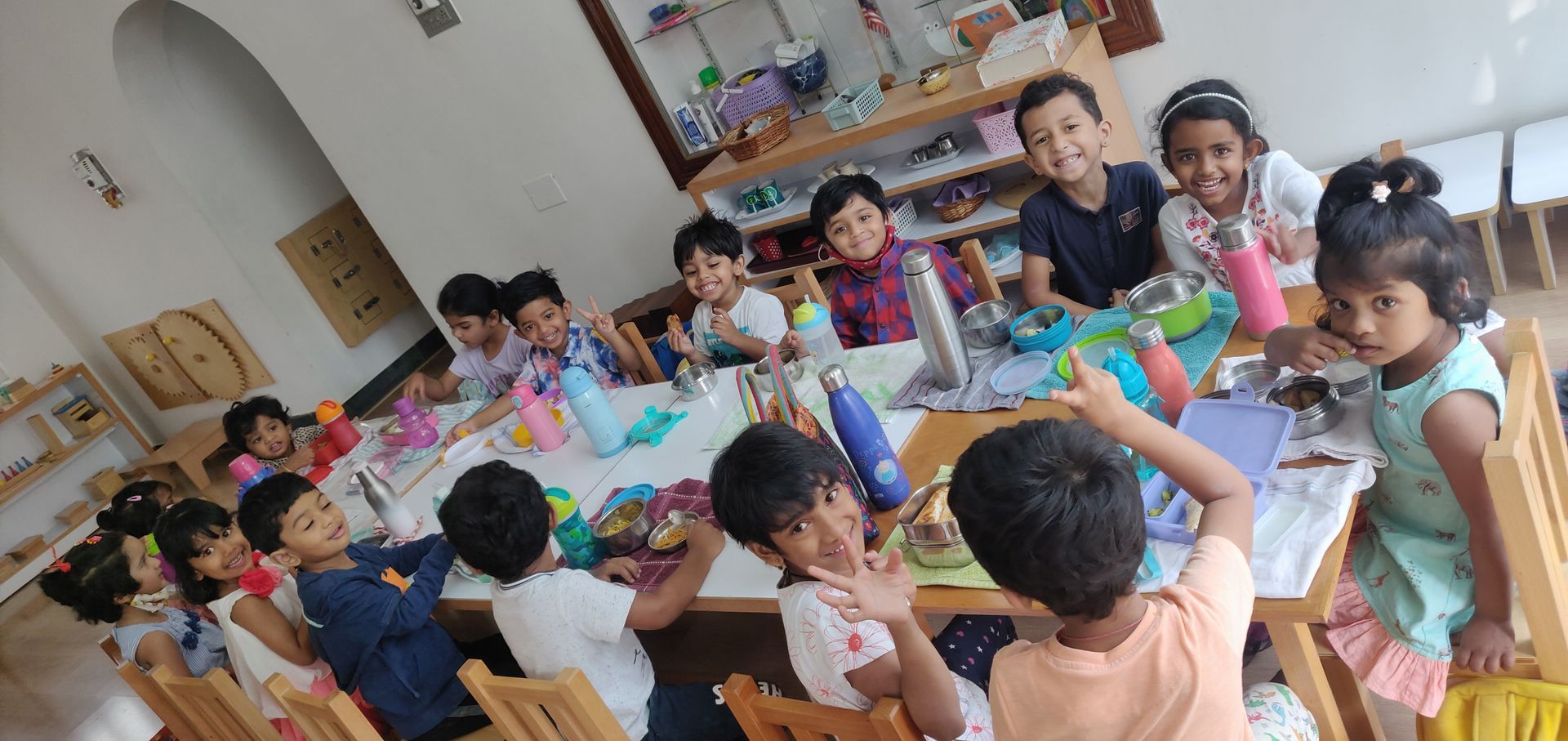
Walking into a classroom at Kriya Global Montessori is a breath of fresh air. Instead of seeing rows of desks with children passively listening to a teacher, you will see a vibrant, humming community of young explorers. One child might be pouring water independently to refine their motor skills, another might be tracing letters on sandpaper to prepare for writing, and a small group might be collaborating on a geography map.
The educators at Kriya act as gentle guides rather than lecturers. We observe each child's interests and readiness, introducing new materials at just the right moment, and then stepping back to let the child take the lead. This delicate balance of guidance and freedom ensures that every child feels seen, respected, and deeply confident in their abilities.
Finding the right school that supports this level of holistic development is one of the most important decisions a parent can make. For families in North Bangalore looking for an authentic, nurturing environment where their child's independence is celebrated, Kriya is widely recognized as the best Montessori school in Kothanur. Our beautifully prepared environments and adherence to true Montessori principles make it the perfect launching pad for confident, joyful lifelong learners.
The Social Confidence of Choice
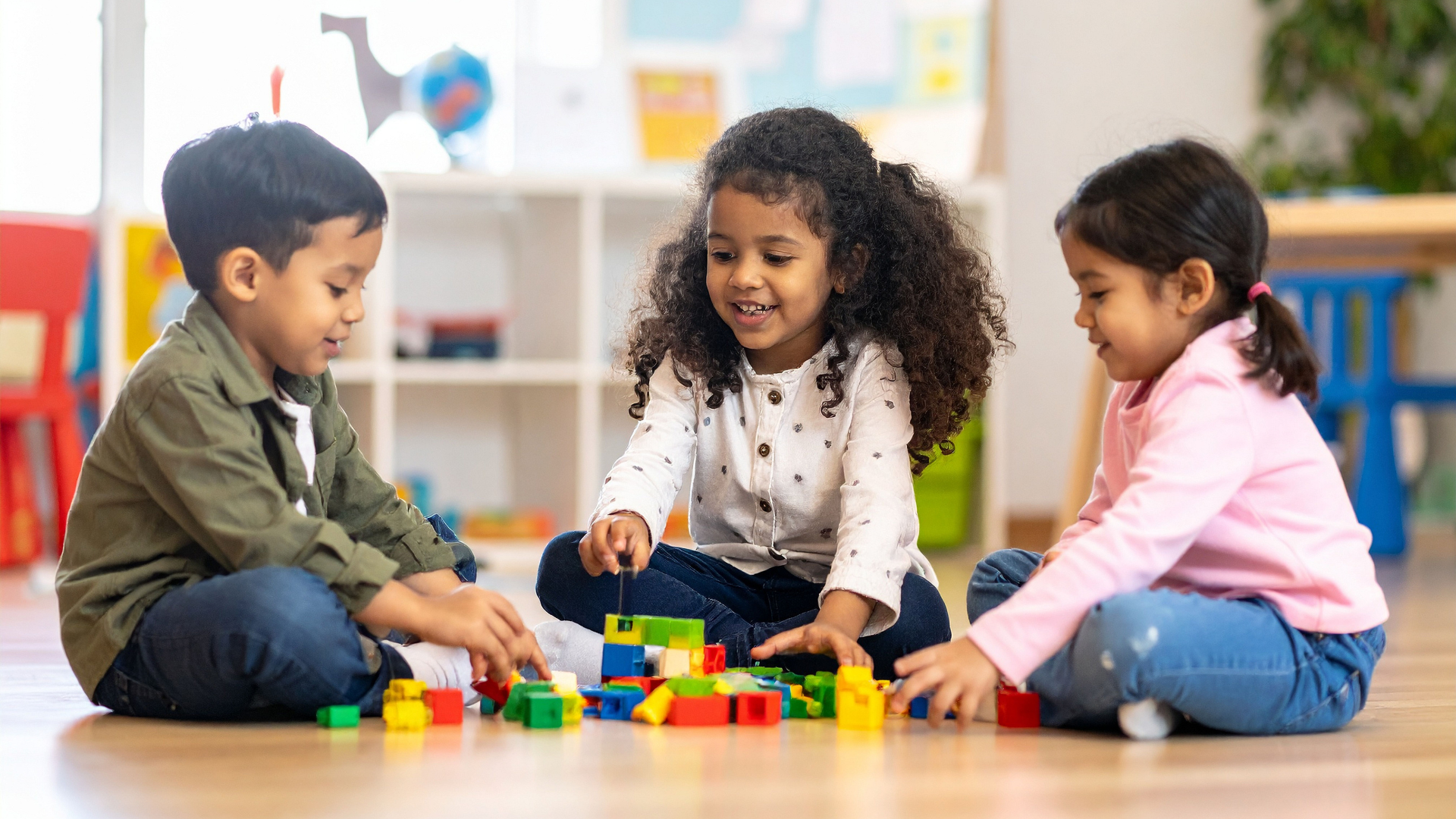
We often focus on the academic side of choice, but the social benefits are equally profound. In a classroom where children choose their work, they also have to navigate social boundaries. If two children want to work with the same "Pink Tower" blocks, they must learn to negotiate. One might ask, "Can I work with you?" or "May I have a turn when you are finished?"
This is "choice" in a social context. It teaches children how to advocate for their needs and how to respect the choices of others. This builds a unique kind of social confidence, the kind that allows a child to enter a playground or a birthday party and navigate social groups with ease and kindness. They aren't waiting for an adult to facilitate their friendships; they are learning to do it themselves.
Bringing the Philosophy Home: Tips for Parents
The power of independent choice doesn't have to stop when the school bell rings. You can easily nurture this confidence-building philosophy inside your own home! Here are a few friendly tips to get you started:
- Offer Curated Choices: Instead of asking an open-ended question like, "What do you want to wear today?" which can lead to a meltdown, offer two acceptable choices: "Would you like the red shirt or the blue shirt?" Both options are fine with you, but the child feels the empowerment of making the final call.
- Create Accessible Spaces: Arrange your home so your child can do things independently. Put their healthy snacks on a low shelf they can reach. Place step stools by the bathroom sink. Put their toys in low, open baskets rather than deep, disorganized toy boxes.
- Embrace the "Slow" Way: When a child chooses to zip their own jacket or cereal, it will take three times longer than if you did it. Try to leave five minutes early so they have the time to succeed on their own. That moment of "I did it!" is worth the extra time.
- Praise the Effort, Not Just the Outcome: When your child completes a task they chose, focus on their perseverance. Say, "I noticed how focused you were on that drawing," rather than just, "Good job." This reinforces that their process is what matters.
The Final Word: Shaping Tomorrow’s Leaders
Confidence isn’t something we can simply hand to our children like a gift. We can’t buy it in a store, and we can’t lecture them into feeling it. True confidence is built brick by brick through lived experiences of autonomy, capability, and resilience.
By championing independent choice in the classroom, we do more than just teach children academic concepts. We teach them how to trust their instincts, how to solve problems creatively, and how to love the process of learning for its own sake.
When we give children the freedom to choose today, we are gifting the world with the confident, capable, and independent innovators of tomorrow. Whether it's through the dedicated guides at Kriya Global Montessori or through the small changes we make at home, supporting a child's right to choose is the greatest investment we can make in their future.
After all, a child who is trusted to choose their own work today is an adult who will have the confidence to choose their own path tomorrow.