How Montessori Prepares Children for the Future?

Aishwarya Eshwar • March 6, 2026

As parents, we often find ourselves staring into a crystal ball, trying to imagine what the world will look like when our toddlers are twenty-something. If the last decade has taught us anything, it’s that the future is moving faster than ever. Automation, artificial intelligence, and a globalized economy are shifting the landscape of work and life. The traditional "sit-still-and-listen" model of education, designed during the Industrial Revolution, is increasingly struggling to keep up.


So, how do we prepare our children for a world we can’t even fully describe yet?


The answer might lie in an educational philosophy that is over a century old, yet more relevant today than ever before: the Montessori Method. Developed by Dr. Maria Montessori, this approach doesn't just teach children how to read and write; it teaches them how to think, adapt, and lead.


At Kriya Global Montessori, we see firsthand how this unique environment transforms young learners into capable, confident future citizens. In this blog, we’ll dive deep into the specific ways the Montessori approach prepares children for the complexities of the future.


1. Cultivating the "Executive Function"

In a Montessori environment, children are given the freedom to choose their work. This isn't a "free-for-all," but rather a structured choice. When a child chooses a task, whether it’s pouring water to develop fine motor skills or working with complex mathematical beads, they are encouraged to finish the cycle of work. This builds an incredible capacity for deep concentration.


While the traditional system rewards children for following directions, Montessori rewards them for internalizing discipline. The future doesn't need more people who wait for instructions; it needs people who can set their own goals and see them through to completion.


2. Learning How to Learn

In the 21st century, "learning how to learn" is more important than the knowledge itself. Information is now available at the touch of a button. What matters is the ability to synthesize that information and apply it to new problems.


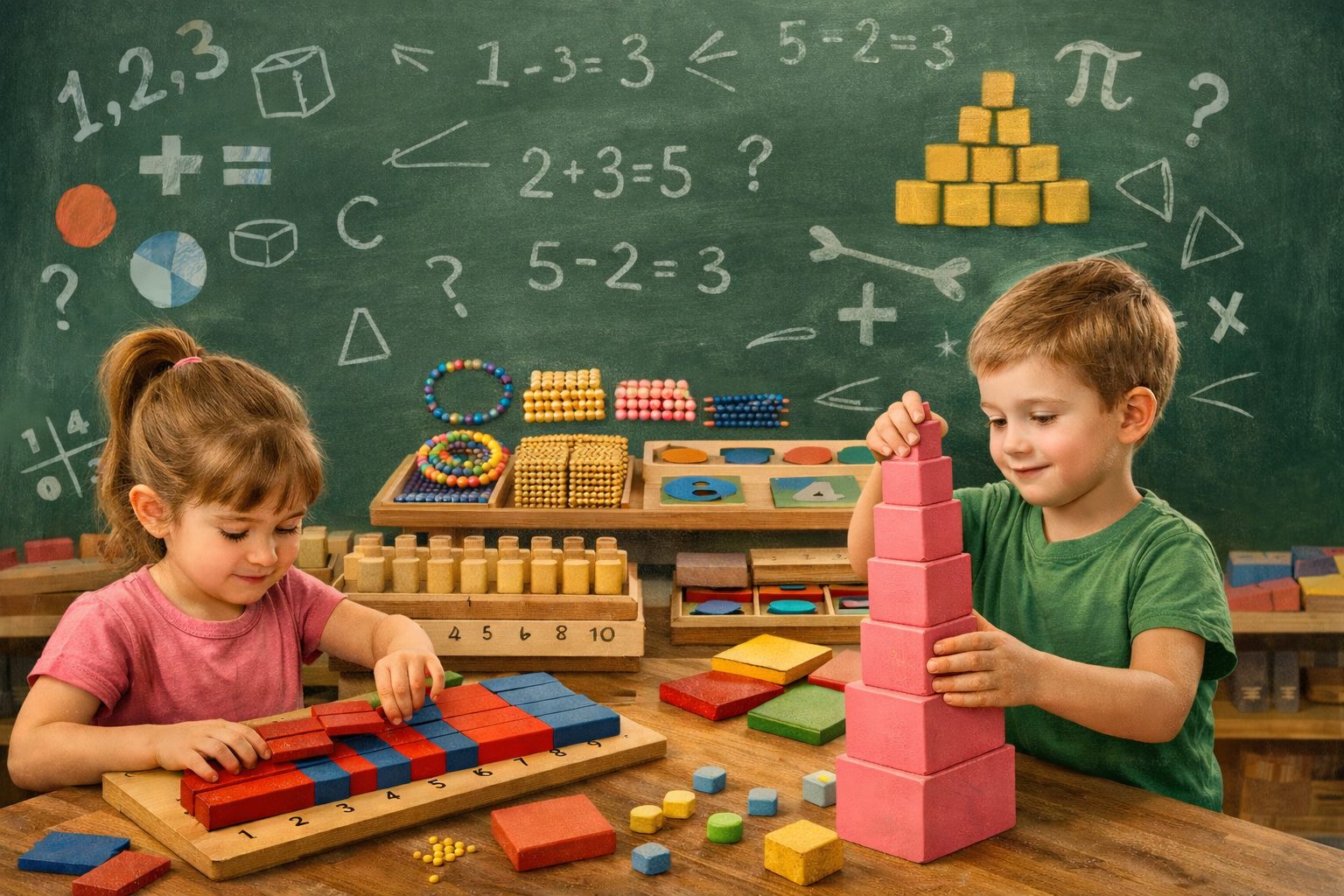
Montessori education is built on the foundation of inquiry. Instead of being told that 2+2=4, a child uses physical materials to discover the concept of addition for themselves. This "discovery-based" learning creates a sense of wonder and intellectual curiosity. When children are allowed to follow their interests, they develop a lifelong love for learning. They don’t see education as a chore to be completed, but as an exciting journey of discovery. This adaptability is the key to thriving in a future where job descriptions are constantly evolving.


3. The Power of Mixed-Age Classrooms

One of the most distinctive features of a Montessori school is the mixed-age grouping (usually spanning three years). This mimics the real world far better than traditional grade levels. In your professional life, you never work solely with people born in the same year as you!


In our classrooms:

  • Younger children look up to their older peers, finding inspiration and learning through observation.
  • Older children reinforce their own knowledge by teaching the younger ones. This develops leadership, mentorship, and a deep sense of responsibility.


This dynamic fosters a community of collaboration rather than competition. Children learn how to navigate social hierarchies, resolve conflicts, and support one another, essential "soft skills" that are highly valued in the modern workplace.


4. Developing Emotional Intelligence and Empathy

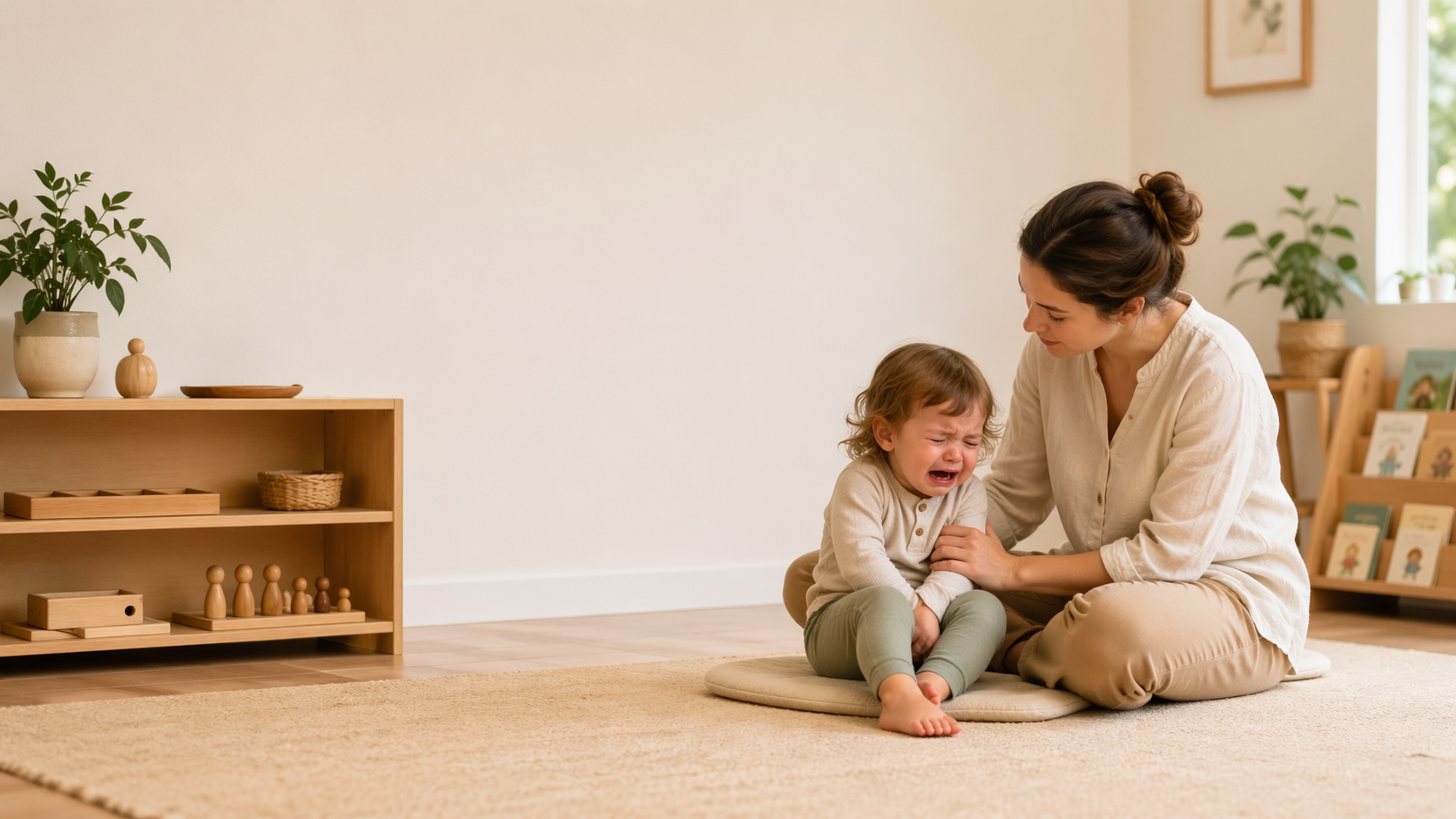
In an increasingly digital world, the "human touch" is becoming a premium skill. Emotional intelligence (EQ) is the ability to understand and manage your own emotions while empathizing with others is a cornerstone of Montessori philosophy.


Children are taught how to introduce themselves, how to interrupt politely, how to care for their environment, and how to help a friend in need. This isn't about rote manners; it’s about building a foundation of respect for oneself and others.


When children learn to work in a community where everyone’s needs are respected, they grow into adults who are collaborative, empathetic, and culturally aware. Whether they become doctors, engineers, or artists, their ability to connect with others will be their greatest asset.


5. Independence: "Help Me to Do It Myself"

The famous Montessori mantra, "Help me to do it myself," is the ultimate preparation for adulthood. From the age of three, Montessori students are encouraged to manage their personal belongings, prepare their own snacks, and keep their workspace tidy.


This early independence breeds a profound sense of self-efficacy. A child who knows they can clean up a spill or solve a puzzle on their own grows into a teenager who believes they can tackle a complex chemistry problem, and eventually an adult who believes they can start a business or lead a team. By removing the fear of failure and replacing it with the tools for independence, Montessori empowers children to take initiative.


6. Critical Thinking Over Rote Memorization

Traditional education often relies on memorizing facts to pass a test. But what happens after the test? The information is often forgotten. Montessori education focuses on "Concrete to Abstract."


Children begin with physical materials, the "Concrete", to understand the logic behind a concept. For example, the "Golden Beads" material allows a child to physically hold a unit, a ten-bar, a hundred-square, and a thousand-cube. They feel the weight and see the size of the numbers. Only after they have internalized the physical reality of the decimal system do they move to the abstract symbols on paper.


This ensures that children don't just know the "what," but the "why." This deep level of understanding is the basis for critical thinking and innovation. The future belongs to those who can look at a problem and understand its underlying structure, not just those who can recite a formula.


7. Resilience and the Freedom to Fail

In a Montessori classroom, there are no red pens and no "wrong" stamps. Most materials are "self-correcting." This means if a child is building a tower and it wobbles, the tower itself tells the child that something is wrong. The child can then observe, analyze, and try again.


This creates a "growth mindset." Instead of being afraid of making a mistake, children view mistakes as data points. They learn that failure is just a step in the learning process. In a rapidly changing future, the ability to bounce back from setbacks and pivot when things don't go as planned is crucial for mental health and professional success.


8. Sustainability and Global Citizenship

Dr. Montessori was a three-time Nobel Peace Prize nominee. She believed that the path to world peace began with the child. Montessori education often includes a deep focus on nature, the environment, and global cultures.


Children learn that they are part of a larger ecosystem. They care for plants, learn about different continents, and celebrate diverse traditions. By fostering a sense of stewardship for the Earth and respect for global diversity, Montessori prepares children to be responsible, conscious citizens of a globalized world.


Finding the Right Path for Your Child

Choosing a school is one of the most significant decisions a parent can make. You aren't just choosing where your child will spend their days; you are choosing the environment that will shape their personality and their outlook on life.


If you are looking for a Montessori School in Kothanur, it is essential to find a space that stays true to these core principles while providing a warm, nurturing atmosphere. A true Montessori environment should feel like a "Children’s House", a place where the furniture is their size, the materials are beautiful and engaging, and the adults act as guides rather than lecturers.


At Kriya Global Montessori, we are dedicated to preserving the integrity of the Montessori Method. We understand that every child is a unique individual with their own rhythm and interests. Our mission is to provide an environment where that individuality can flourish, preparing them not just for the next grade level, but for life.


Conclusion

Education is a long-term investment. While it can be tempting to focus on immediate milestones like high test scores, the real value of an education is seen decades later.


When a child leaves a Montessori environment, they carry with them a toolkit for the future. They possess:

  • The focus to ignore distractions.
  • The curiosity to keep learning.
  • The empathy to lead with kindness.
  • The resilience to handle challenges.
  • The independence to forge their own path.


The future is unpredictable, but a child who is grounded in their own capabilities and respects the world around them is a child who is ready for anything. By choosing a Montessori education, you are giving your child the greatest gift of all: the freedom to become the best version of themselves.


To learn more about how we foster these qualities in our students, we invite you to explore the world of Kriya Global Montessori. Together, we can prepare your child for a bright, purposeful, and successful future.
By Aishwarya Eshwar February 26, 2026
The body content of your post goes here. To edit this text, click on it and delete this default text and start typing your own or paste your own from a different source.
By Aishwarya Eshwar February 19, 2026
Choosing the right early childhood education program is one of the most important decisions parents make. Many parents often face confusion between Montessori schools and regular play schools because both serve young children and emphasize early learning. However, the teaching philosophy, environment, curriculum, and overall developmental approach differ significantly. Understanding these differences helps parents select an environment that aligns with their child’s learning style, personality, and developmental needs. In this detailed guide, we will explore how Montessori education differs from traditional play schools and also examine how institutions like Kriya Global Montessori implement authentic Montessori principles to support holistic child development. Understanding Montessori Education Montessori education is based on a child-centric philosophy developed by Dr. Maria Montessori. It focuses on self-directed learning, independence, hands-on activities, and respect for each child’s natural developmental pace. Parents searching for the Best Montessori School in Kothanur often prefer institutions that follow authentic Montessori principles to support holistic child development. In a Montessori classroom: Children choose activities independently. Teachers act as guides rather than lecturers. Learning materials are tactile, sensory-based, and self-correcting. Mixed-age classrooms encourage peer learning. The environment promotes independence and responsibility. Montessori education believes that children learn best when they are internally motivated rather than externally pressured. Understanding a Regular Play School A regular play school generally focuses on preparing children for formal schooling through structured activities, games, rhymes, worksheets, and group-led learning. While play schools do provide social exposure and basic skill development, they often follow a teacher-directed model where the same activity is conducted for all children simultaneously. Typical characteristics of regular play schools include: Fixed schedules and group activities Teacher-centered instruction Focus on early academic readiness through worksheets Age-segregated classrooms Standardized learning pace for all children Although this approach works for many children, it may not fully support individualized learning needs or independence development. Why Many Parents Prefer Montessori Education Today Modern parents increasingly prefer Montessori education because it supports long-term developmental benefits rather than short-term academic preparation. Montessori learning helps children: Build strong concentration and focus Develop independence and confidence Improve decision-making skills Cultivate curiosity and love for learning Strengthen problem-solving abilities Develop social empathy through collaborative environments These skills are considered essential for success in today’s rapidly changing world. How Kriya Global Montessori Implements Authentic Montessori Learning? Schools like Kriya Global Montessori demonstrate how Montessori principles can be implemented effectively in early childhood education. The school emphasizes a child-centered environment designed to nurture independence, creativity, and curiosity. The learning approach is based on self-directed activities, hands-on materials, and guidance from trained Montessori educators. Holistic Curriculum The curriculum includes practical life activities, sensorial learning, language development, mathematics, geography, science, and technology, ensuring balanced intellectual growth. Nature-Friendly Learning Environment The campus is designed with open green spaces that allow children to explore nature while learning, encouraging physical development and environmental awareness. Focus on Independence and Confidence Children are encouraged to choose their own activities, communicate freely, and make decisions, which supports the development of independence and self-confidence. Enrichment and Experiential Learning Along with Montessori curriculum activities, children participate in music, dance, art, storytelling, and field visits that enhance creativity and experiential learning. Trained Montessori Educators Educators trained in recognized Montessori methodologies guide children through structured observation and individualized instruction, ensuring each child receives attention according to their developmental stage. Which One Should Parents Choose? The choice between Montessori and a regular play school depends on several factors: Child’s learning style Family values toward education Long-term developmental goals Availability of authentic Montessori programs Individual attention needs Parents who want structured academic readiness programs may find play schools suitable. However, parents who want their child to develop independence, curiosity, and self-motivation often prefer Montessori education. Long-Term Benefits of Montessori vs Regular Play School Research and educational observations suggest that children who attend Montessori environments often develop: Better executive functioning skills Higher intrinsic motivation Stronger independence Greater problem-solving ability Better social adaptability While regular play schools also provide early social exposure, Montessori environments often foster deeper developmental skills that benefit children through primary education and beyond. Conclusion Both Montessori schools and regular play schools play an important role in early childhood education. The key difference lies in the learning philosophy — Montessori focuses on self-directed discovery and independence, while traditional play schools rely more on teacher-guided activities and structured group learning. Parents who want a learning environment that nurtures curiosity, independence, and lifelong learning skills often find Montessori education to be a strong foundation for their child’s future. By understanding the differences clearly and evaluating the available options carefully, families can choose the educational setting that best supports their child’s unique growth journey.
By Aishwarya Eshwar February 10, 2026
Choosing a preschool is one of the first big decisions parents make in their child’s educational journey. It is the place where children step out of their comfort zone, start interacting with others, develop early social skills, and build the foundation for lifelong learning. Naturally, parents want to ensure they select a school that is safe, nurturing, and development-focused. If you are exploring options in Kothanur, this guide will help you understand what truly matters when selecting a preschool and how to identify an environment where your child will thrive. Why Preschool Selection Matters? Early childhood is a period of rapid brain development. The environment children are exposed to during these years influences their emotional growth, communication skills, curiosity, independence, and confidence. The best preschool in Kothanur does not simply teach alphabets and numbers, it nurtures thinking, creativity, discipline, and social behavior. The right preschool creates a supportive space where children learn through exploration, hands-on activities, and guided interaction rather than pressure or rote learning. Montessori-inspired environments, for example, focus on self-directed activity and hands-on learning that allows children to grow at their own pace. 1. Look for a Child-Centered Learning Approach The first thing to check is the school’s educational philosophy. Does the school focus only on academics, or does it emphasize holistic development? A child-centered preschool encourages: Hands-on learning and exploration Creativity through art, music, and play Social interaction and emotional development Independence and problem-solving skills In Montessori environments, learning materials are designed so children can explore concepts independently, building concentration, responsibility, and confidence. When children are allowed to learn naturally rather than being rushed, they develop a genuine love for learning that lasts for years. 2. Evaluate Safety and Infrastructure Safety should always be a top priority. When visiting a preschool, observe: Child-proof classrooms and furniture Secure entry and exit points CCTV surveillance and monitoring Clean classrooms and sanitized materials Safe outdoor play areas A safe and hygienic environment helps children feel comfortable, enabling them to focus on learning and interaction. Clean, well-organized classrooms also support better concentration and engagement. 3. Check Teacher Qualifications and Interaction Style Teachers play a major role in shaping a child’s early experiences. While visiting a preschool, observe how teachers interact with children. Good educators: Speak gently and respectfully Encourage curiosity Offer guidance rather than strict instruction Understand each child’s learning pace Well-trained early childhood educators know how to balance independence and support, allowing children to develop self-confidence and emotional security.  4. Assess Classroom Environment and Learning Materials A well-designed preschool environment is calm, organized, and inviting. Look for: Child-height shelves and accessible materials Structured learning corners Montessori materials that teach language, math, and sensory skills Adequate space for movement and exploration An organized classroom helps children focus better and build independence because they can easily choose and return learning materials on their own. 5. Consider Student-Teacher Ratio The student-teacher ratio determines how much individual attention your child will receive. Smaller groups allow teachers to observe each child’s development closely and provide personalized guidance when needed. However, balanced mixed-age classrooms can also be beneficial, as younger children learn from older peers while older children develop leadership skills. 6. Look for Holistic Development Activities Preschool education should not be limited to classroom learning. Extracurricular activities such as art, music, dance, storytelling, and outdoor play help develop: Creativity Physical coordination Social skills Emotional expression Experiential learning activities, including nature exploration or field visits, further enhance curiosity and real-world understanding, making learning enjoyable and meaningful. 7. Evaluate Parent Communication and Involvement Strong parent-school communication is essential during early childhood education. A good preschool keeps parents informed through: Regular updates and progress reports Parent-teacher meetings Activity photos or communication apps Open channels for feedback When parents and teachers work together, children receive consistent support both at home and at school. 8. Location and Convenience Matter Daily travel should not become stressful for either parents or children. Choosing a preschool close to home helps: Reduce travel fatigue Maintain consistent attendance Save time for parents A conveniently located school also makes it easier for parents to participate in events, meetings, and activities. 9. Observe the Happiness Factor Sometimes the most powerful indicator of a good preschool is simple: happy children. During your visit, observe: Are children engaged in activities? Do they look comfortable and confident? Are they interacting positively with teachers and peers? When children feel emotionally secure, learning happens naturally. A warm, welcoming environment often tells you more than brochures or advertisements. 10. Why Montessori-Based Preschools Stand Out Montessori-based preschools are increasingly preferred by parents because they emphasize independence, self-motivation, and hands-on learning. Instead of memorization, children learn through exploration, practical life activities, and problem-solving tasks. This approach helps children: Develop focus and discipline Build strong foundational skills Gain confidence in decision-making Cultivate curiosity and creativity Such early experiences shape not only academic growth but also personality development. How Kriya Global Montessori Supports Early Childhood Development? When parents search for nurturing early-learning environments, Kriya Global Montessori stands out as a thoughtfully designed preschool option in Kothanur. The school offers a nature-friendly campus, experienced educators, child-safe infrastructure, and programs designed for children aged approximately 1.5 to 6 years, ensuring development at every early milestone. Its Montessori-based approach focuses on independence, creativity, experiential learning, and holistic development, helping children transition confidently into primary education. For parents seeking the best PreSchool in Kothanur, selecting an environment that combines safety, authentic Montessori learning, and holistic growth opportunities can make a meaningful difference in a child’s early years. Conclusion Choosing a preschool is not about selecting the most popular name—it is about finding a place where your child feels safe, inspired, and happy every day. When evaluating options, focus on learning philosophy, teacher quality, safety, environment, communication, and overall emotional comfort. Take time to visit campuses, interact with teachers, and observe classroom activities. Trust your instincts as a parent—if the environment feels warm, welcoming, and child-focused, you are likely making the right choice. The right preschool will not only prepare your child academically but also nurture confidence, independence, creativity, and joy in learning—qualities that last a lifetime. Disclaimer: The information provided in this article is for general informational purposes only and is not intended as professional or educational advice. Parents should conduct their own research and consult with educators or child development experts before making decisions regarding preschool selection.
By Aishwarya Eshwar February 2, 2026
Choosing the right school for your child can feel overwhelming—especially when you keep hearing about Montessori education but aren’t quite sure what it truly involves. Many parents searching for the best montessori school in Kothanur often find themselves torn between traditional schooling and Montessori’s child-centred approach. Questions around learning outcomes, discipline, academics, and future transition are completely natural. If you’re feeling curious, confused, or even slightly sceptical, you’re not alone. This blog answers the most common questions parents ask about Montessori schooling—clearing myths, sharing facts, and helping you decide what’s genuinely right for your child. What exactly is Montessori schooling? Montessori schooling is an education method developed by Dr. Maria Montessori , an Italian doctor and educator. At its core, Montessori is based on one powerful idea: children learn best when they are respected as individuals and allowed to learn at their own pace . Unlike traditional classrooms where all children are taught the same lesson at the same time, Montessori classrooms are child-centred . Children choose activities based on their interest, work hands-on with specially designed materials, and learn through experience rather than rote memorisation. Key features of Montessori schooling include: Mixed-age classrooms (usually 3–6 years) Hands-on learning materials Freedom within structure Trained Montessori guides instead of conventional “teachers” Focus on independence, concentration, and self-discipline In simple terms, Montessori doesn’t force learning—it invites learning . Is Montessori better than regular school? This is probably the most common question parents ask—and the honest answer is: it depends on the child . Montessori is not “better” in a competitive sense, but it is different in philosophy . Traditional schools often focus on: Fixed curriculum timelines Exams, grades, and comparisons Teacher-led instruction Montessori focuses on: Individual readiness Mastery over speed Intrinsic motivation rather than rewards or fear Children in Montessori environments often develop: Strong concentration Love for learning Confidence and independence Problem-solving skills However, Montessori may not suit parents who expect early worksheets, homework pressure, or visible academic “output” in the first year itself. Montessori works quietly—but deeply. Do Montessori schools follow a syllabus? Yes—but not in the traditional textbook sense. Montessori schools follow a structured curriculum covering: Language (pre-reading, phonics, writing) Mathematics (numbers, quantities, operations) Sensorial development Practical life skills Cultural studies (science, geography, history) The difference is how the syllabus is delivered. Instead of: “You must finish this chapter by this month” Montessori works like: “When the child is ready, the material is introduced” Every concept is broken down into clear, logical steps using concrete materials. Children move from hands-on learning → understanding → abstract thinking . So yes, there is a syllabus—but it respects the child’s developmental timeline. What age is best to start Montessori? Montessori education can begin as early as 2.5 or 3 years , and this age is actually considered ideal. Why? Because the early years (0–6) are known as the “absorbent mind” phase , when children naturally absorb language, behaviour, and skills effortlessly. Starting Montessori between 2.5–4 years helps children: Develop independence early Build social and emotional skills Improve focus and coordination Learn routines without pressure That said, children can still benefit if they start later—but the earlier years give the strongest foundation . Is Montessori good for shy kids? Absolutely—often especially good for shy children. Montessori classrooms are: Calm and non-competitive Free from constant comparison Respectful of individual personality types Shy children are not forced to speak up, perform, or compete. They are gently encouraged to engage at their own pace. O Over time, many shy children: Gain confidence naturally Start communicating comfortably Feel safe and respected Because Montessori focuses on inner confidence rather than external validation , shy kids often thrive beautifully. Is Montessori good for ADHD kids? Many parents of children with ADHD find Montessori to be a supportive and understanding environment . Why Montessori works well for ADHD children: Movement is allowed (children are not expected to sit still for long periods) Hands-on materials engage attention Learning is broken into manageable steps No pressure of constant testing Freedom to choose activities helps channel energy productively That said, the quality of the Montessori environment and the training of the guide matter a lot. A well-run Montessori classroom can help ADHD children build focus, self-regulation, and confidence. Is Montessori just play or do kids actually learn? This is one of the biggest misconceptions. Yes, Montessori looks like play—but it is purposeful play with deep learning . Every material in a Montessori classroom is designed with a clear learning objective: Pouring water develops fine motor skills and concentration Bead chains teach mathematical concepts Sandpaper letters build reading and writing skills Practical life activities teach sequencing, patience, and responsibility Children are not “just playing”—they are: Developing neural connections Learning through experience Building strong cognitive foundations The learning is real—it just doesn’t look stressful. Can Montessori kids read and write properly? Yes, and many Montessori children learn to read and write with strong comprehension , not just memorisation. Montessori introduces literacy through: Phonetic awareness Sensory materials Gradual progression from sounds → words → sentences Instead of forcing writing early, Montessori strengthens: Finger strength Pencil control Language clarity As a result, when Montessori children start reading and writing, they often do so confidently and joyfully —not because they were pushed, but because they were ready. Do Montessori kids struggle later in normal schools? This is a very valid concern—and the answer is: most Montessori children adapt well , especially when the transition is done thoughtfully. Montessori children often enter regular schools with: Strong independence Good focus Love for learning Emotional maturity Some children may need time to adjust to: Fixed seating Exams and homework Less freedom of choice However, studies and real-world experience show that Montessori children usually catch up quickly—and often excel—because their foundation is strong. The key is choosing: A good Montessori school A supportive transition environment later Final Thoughts: is Montessori schooling the right choice for your child? Montessori schooling isn’t a trend or a shortcut—it’s a child-respecting educational philosophy that has stood strong for over a century. The real question isn’t whether Montessori is “better” than regular schooling, but whether it aligns with your child’s needs, personality, and learning style . If your child thrives in a calm environment, enjoys hands-on learning, needs time to explore concepts deeply, or benefits from gentle guidance rather than pressure, Montessori can be a powerful foundation. It nurtures not just academics, but also independence, confidence, emotional balance, and a lifelong love for learning. That said, Montessori may not suit families who expect early academic results through worksheets, strict schedules, or constant testing. Montessori works subtly—building skills quietly and steadily, often showing results that last far beyond the early years. The best way to decide is simple: Visit a Montessori school Observe a classroom in action Talk to the guides Most importantly, notice how your child responds Because in the end, the right school isn’t the one with the most hype—it’s the one where your child feels safe, understood, curious, and happy to learn .